
Stalling U.S., EU green steel trade talks could mean reimposition of tariffs
- September 14, 2023
- Posted by: Quatro Strategies
- Categories: ESG & Renewable Energy, Europe, Mining & Metals, United States
Negotiations between the United States and the European Union (EU) for a “green steel” trade deal have reportedly stalled, risking the reimposition of tariffs on steel and aluminum imports from the EU. These talks, which aim to limit imports from steel-producing countries with high carbon emissions and excess production capacity, are part of a broader agreement on sustainable steel and aluminum. Key points include:
Negotiations began in October 2021 following a truce in the US-EU trade dispute over Section 232 tariffs on steel and aluminum, which had prompted EU retaliatory measures.
Disagreements persist over the structure of trade restrictions to curb carbon emissions and excess production capacity. Differences revolve around the definition of “green steel” and concerns about proposed measures violating global trade rules.
The measures primarily target China, a major global steel producer, which faces concerns over carbon emissions and overcapacity in its steel industry.
If no agreement is reached by the October 31 deadline, the US could reintroduce tariffs on steel (25%) and aluminum (10%) imports from the EU, triggering likely EU retaliatory tariffs.
The EU favors Carbon Border Adjustment Mechanism (CBAM) to address carbon emissions in imports. This mechanism requires importing companies to purchase carbon credits for carbon-intensive goods. The US has reservations about adopting a similar mechanism.
Both sides insist on WTO-compliant solutions, but they differ in their approaches to meeting these rules.
Failure to meet the deadline could extend negotiations into the contentious 2024 election year in the US and may face political challenges. The EU also holds parliamentary elections in 2024, which could impact trade sentiments.
The outcome of these talks has significant implications for global steel and aluminum trade and efforts to combat climate change by promoting sustainability in heavy industries.
Interested in learning more?
Sign up for Top Insights Today

Top Insights Today delivers the latest insights straight to your inbox.
You will get daily industry insights on
Oil & Gas, Rare Earths & Commodities, Mining & Metals, EVs & Battery Technology, ESG & Renewable Energy, AI & Semiconductors, Aerospace & Defense, Sanctions & Regulation, Business & Politics.
Read more insights
Alaska officials heading to Japan to secure LNG backing, but doubts remain
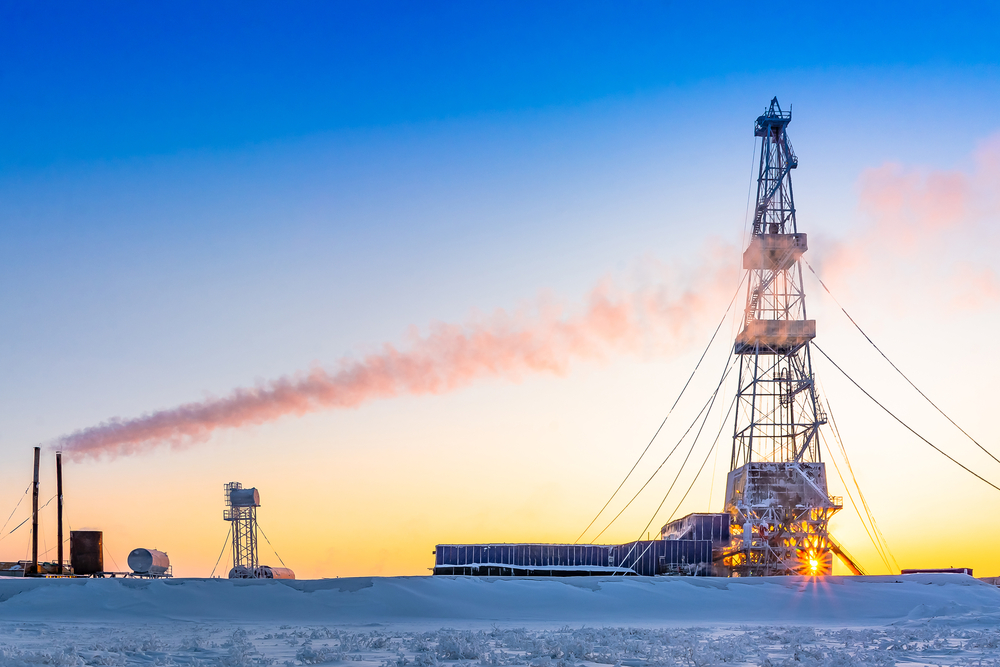
Alaskan state representatives are preparing to visit Japan later this month in an effort to attract investment for a massive natural gas project that President Donald Trump claims could inject trillions of dollars into the U.S. economy. Officials from the Alaska Gasline Development Corporation (AGDC) and its development partner Glenfarne Group will meet with industry leaders in Japan, South Korea, and Taiwan to pitch the $44 billion Alaska LNG project. The initiative involves constructing a 1,300-km (800-mile) pipeline to transport natural gas from Alaska’s remote northern fields to export terminals, with shipments expected to begin by 2030.
Trump has been actively promoting the project as part of his broader push to increase U.S. energy exports to Asian allies while simultaneously pressuring them with trade tariffs. In a meeting on February 7, he directly urged Japanese Prime Minister Shigeru Ishiba to support the project, and on March 4, South Korea agreed to engage in discussions.
Chinese suppliers to follow Tesla in Mexico with a $1 billion investment plan
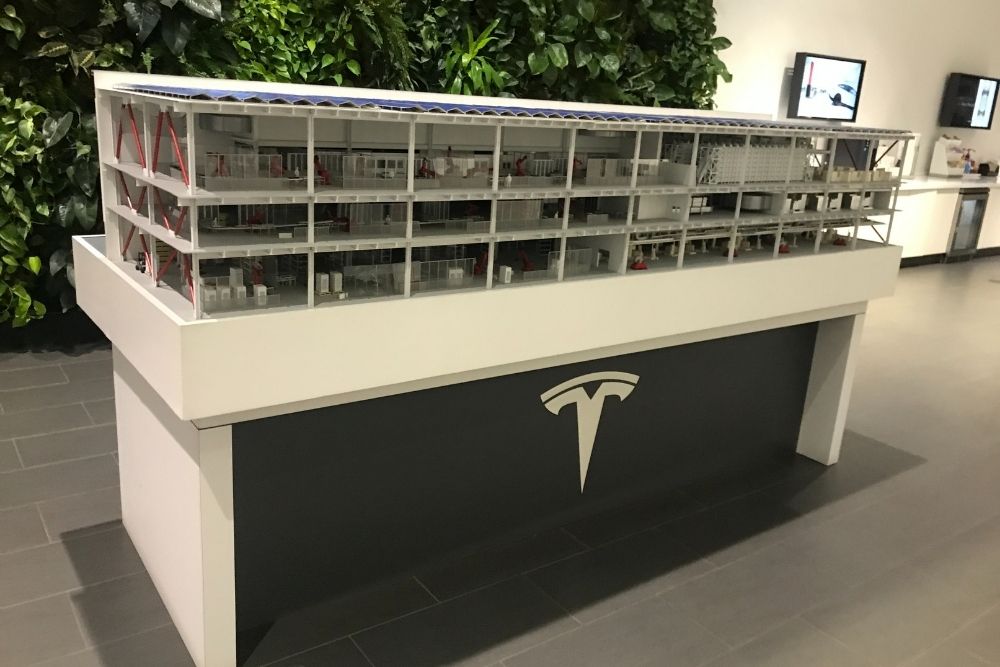
Chinese suppliers Ningbo Tuopu Group and Shenzhen H&T Intelligent Control are poised to make significant investments in the northern Mexican state of Nuevo Leon, where Tesla is planning to construct a major factory. These investments, totaling nearly a billion dollars, include…
Strait of Hormuz fears drive LNG shipping costs to eight-month high
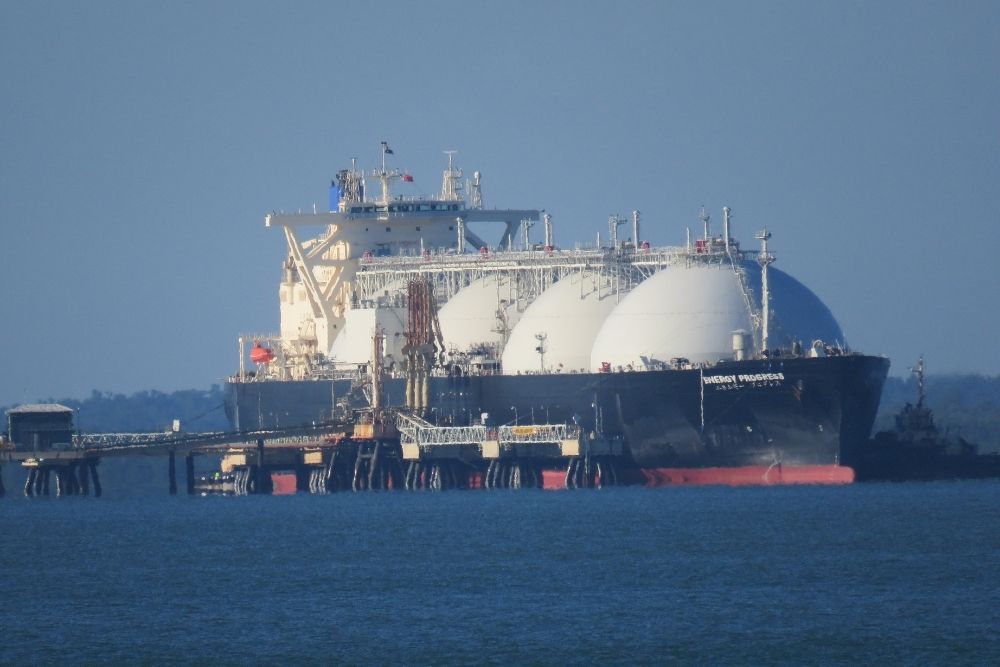
Global shipping costs for liquefied natural gas (LNG) cargoes have surged to their highest levels in roughly eight months, driven by a confluence of tighter vessel availability and rising geopolitical risk, particularly in the Middle East. The sharp rise in freight rates underscores how energy logistics are increasingly vulnerable to disruptions in both market dynamics and regional security.
The Atlantic spot freight rate for standard two-stroke LNG carriers—capable of transporting 174,000 cubic meters—hit $51,750 per day on Monday, the highest since early October 2024. The Pacific rate for the same vessel type also rose sharply to $36,750 per day, marking its highest level since late October.