
South Korea’s Hyundai looks to sell Chongqing plant in China
- August 23, 2023
- Posted by: Quatro Strategies
- Categories: Asia Pacific, Business & Politics, China, EVs & Battery Technology
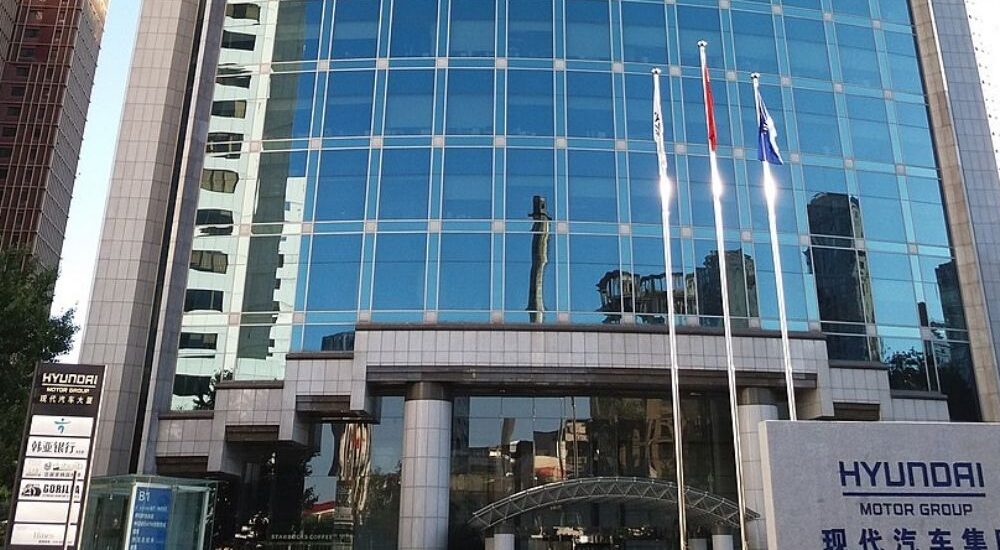
Beijing Hyundai Motor is putting its Chongqing plant up for sale at a starting price of 3.68 billion yuan ($505 million), as part of its strategic adjustments in China. The move comes in response to intense price competition and slowing demand in the Chinese auto market.
The Chongqing plant, which is a joint venture with Beijing Automotive Group Co, commenced production in 2017 with an annual capacity of 300,000 units. Beijing Hyundai is offering for sale the land use rights, equipment, and other facilities associated with the plant. The announcement of the sale was made through a disclosure on the China Beijing Equity Exchange.
Hyundai Motor’s spokesperson stated that the company is continuously working on enhancing its sales performance in China. The sale of the Chongqing plant is part of Hyundai’s broader strategy to optimize its operations and improve profitability in the country. The spokesperson mentioned that as of now, no specific buyers or schedules have been decided upon.
The decision to sell the Chongqing plant follows Hyundai’s June announcement about restructuring its China business with a focus on profitability. At its peak, Hyundai had five plants in China and has since been streamlining its operations, including selling one of its plants in 2021. The company plans to operate only two plants, which will be optimized for production and exports to emerging markets.
Hyundai and its affiliate Kia have been facing challenges in the Chinese market as their vehicle sales have declined over the past few years. This decline is partly due to a shift towards electric vehicles in China’s auto market. Notably, Tesla has been the only foreign automaker to increase its market share in China in recent times.
China’s passenger vehicle sales have been contracting, with July marking the second consecutive month of decline. A combination of factors, including ongoing price competition and fragmented government incentives, has failed to stimulate consumer demand in the Chinese auto market.
Interested in learning more?
Sign up for Top Insights Today

Top Insights Today delivers the latest insights straight to your inbox.
You will get daily industry insights on
Oil & Gas, Rare Earths & Commodities, Mining & Metals, EVs & Battery Technology, ESG & Renewable Energy, AI & Semiconductors, Aerospace & Defense, Sanctions & Regulation, Business & Politics.
Read more insights
LME implements measures to prevent exploitation of Russian metal ban
The London Metal Exchange (LME) has taken steps to prevent traders from exploiting rule changes related to Russian aluminium in its approved warehouses. The move comes in response to new sanctions imposed by the U.S. and Britain, which prohibit the LME from accepting new Russian production of…
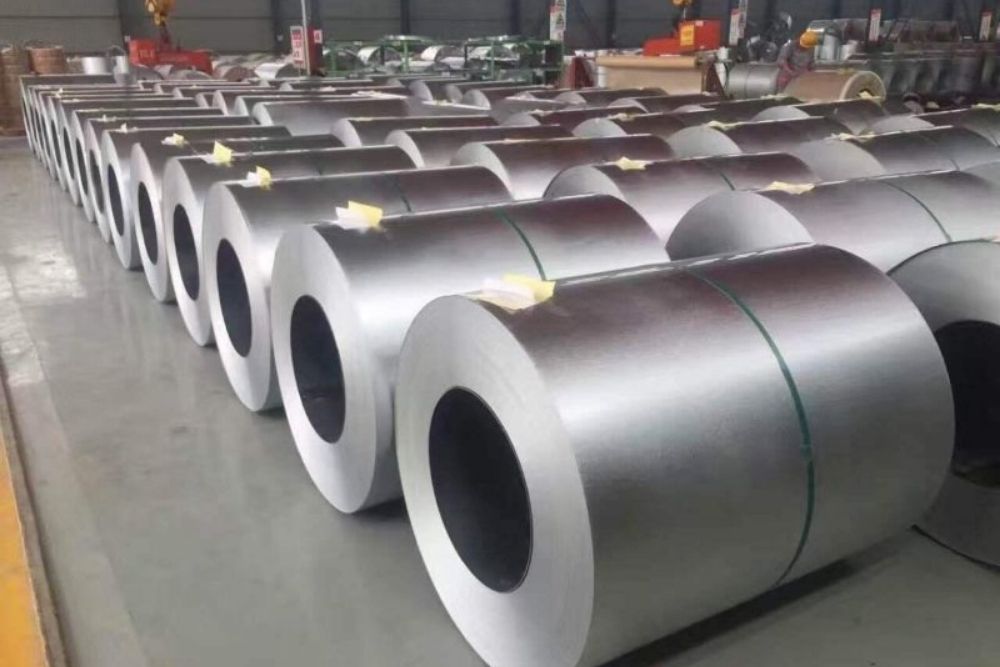
EU unveils hardest-ever steel safeguard with duties doubled to 50%
EU has sketched out the toughest steel shield Europe has ever tried. The Commission’s proposal would almost halve the volume of steel that can enter the bloc tariff-free to roughly 18.3 million tonnes a year and double the penalty on any extra shipments to 50%.
The stated aim is bluntly industrial: push blast furnaces and electric-arc mills from today’s 67% utilization closer to an 80% “viability” threshold after years of losing share to imports and being undercut by U.S. tariff policy. In practice, it’s a reset of the current safeguard regime, which caps 26 product categories with a 25% duty above quota but was due to lapse in mid-2026 under WTO rules.
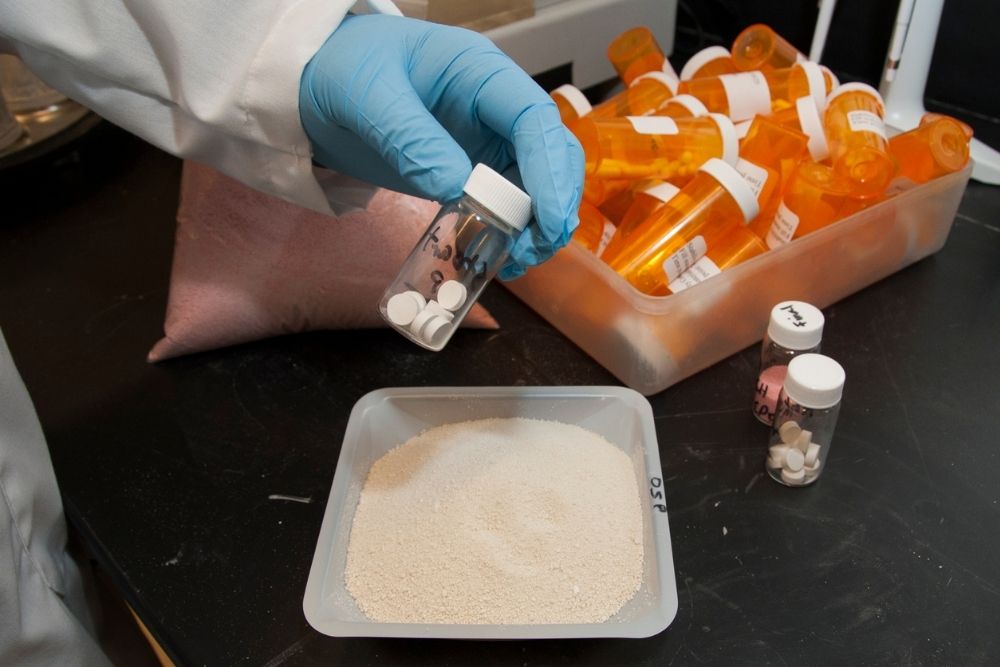
U.S.-China tariff truce masks the bigger risk of Beijing’s grip on drug inputs
A brief thaw between Washington and Beijing has paused the tariff volleys for a year, but nothing in the underlying rivalry suggests a durable peace. The next time relations lurch, China still holds a potent lever it has barely touched: the pharmaceuticals supply chain.
Unlike soybeans or rare earth magnets, where Beijing has already flexed muscles, medicines and their chemical building blocks remain a largely untested chokepoint, with far higher stakes for U.S. public health and national security.