
Germany’s new LNG terminal in Mukran to be operational in early 2024
- September 21, 2023
- Posted by: Quatro Strategies
- Categories: Europe, Oil & Gas
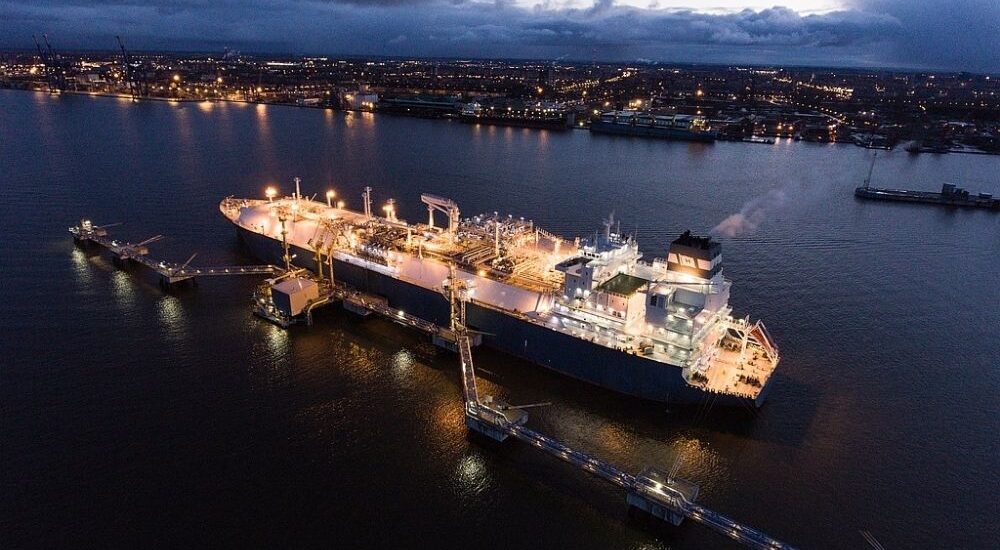
A new liquefied natural gas (LNG) terminal located at Mukran on Ruegen Island in the German Baltic Sea is expected to become operational in the first quarter of 2024, as announced by Gascade, the pipeline firm responsible for building its onshore connection. The push for increased LNG import capacity in Germany comes as the country aims to reduce its reliance on Russian pipeline gas, particularly after the invasion of Ukraine by Russia in the previous year.
The Mukran LNG terminal is strategically significant as it allows for the pulling together of two floating storage and reception units (FSRUs) for deliveries to the mainland. Germany has been utilizing FSRUs as an interim solution to replace Russian gas supplies until fixed terminals are established. Presently, three FSRUs are operational in Wilhelmshaven, Brunsbuettel, and Lubmin ports. Further expansion is planned for the winter of 2023/24.
Deutsche ReGas, the operator of Mukran, has sub-chartered a second FSRU from Transgas Power to complement the existing FSRU at Lubmin. LNG from Mukran is intended to flow to onshore grids via a new pipeline built by Gascade starting from the next winter.
In addition to expanding LNG import capacity, Germany is also anticipating increased use of hydrogen and is consequently building up terminal capacity to accommodate this shift. Hydrogen, especially when produced using renewable energy, is seen as a crucial component in transitioning to a lower-carbon economy.
However, these projects are facing local opposition, as witnessed with the Mukran project. Environmental groups have raised legal challenges, but these have been dismissed by the federal administrative court.
Germany’s focus on LNG infrastructure expansion is aligned with its broader goals of energy transition, reducing reliance on fossil fuels, and embracing cleaner energy alternatives, including hydrogen. These initiatives are central to achieving both national and international climate objectives.
By QUATRO Strategies International Inc.
QUATRO Strategies International Inc. is the leading business insights and corporate strategy company based in Toronto, Ontario. Through our unique services, we counsel our clients on their key strategic issues, leveraging our deep industry expertise and using analytical rigor to help them make informed decisions to establish a competitive edge in the marketplace.
Interested in learning more?
Sign up for Top Insights Today
Top Insights Today delivers the latest insights straight to your inbox.
You will get daily industry insights on
Oil & Gas, Rare Earths & Commodities, Mining & Metals, EVs & Battery Technology, ESG & Renewable Energy, AI & Semiconductors, Aerospace & Defense, Sanctions & Regulation, Business & Politics.
Read more insights
U.S. tariffs drive Germany back toward China as trade partner of choice
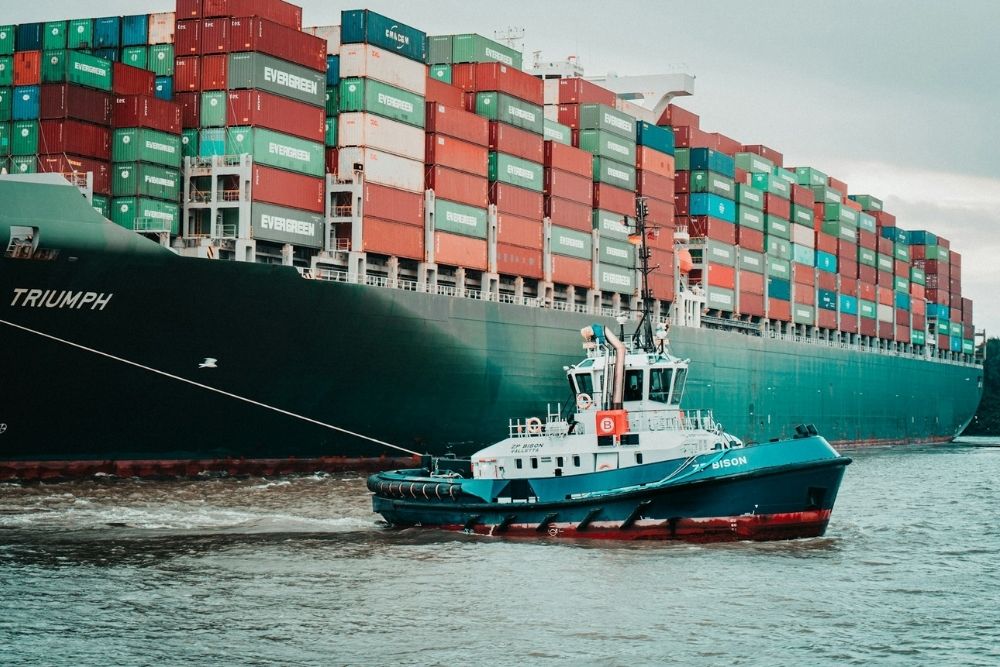
Preliminary trade figures for the first half of 2025 reveal that China is on the verge of reclaiming its status as Germany’s largest trading partner, a position it held for eight consecutive years until 2024. Data from Germany’s federal statistics office show that German trade with the United States totaled roughly €125 billion ($145 billion) from January through June, only slightly ahead of the €122.8 billion recorded with China.
The narrow margin reflects a sharp shift in trade flows triggered by the reintroduction of U.S. tariffs under President Donald Trump, which has eroded Germany’s export advantage in the American market.
Taiwan in talks for U.S. LNG supply as Trump pressures surplus nations
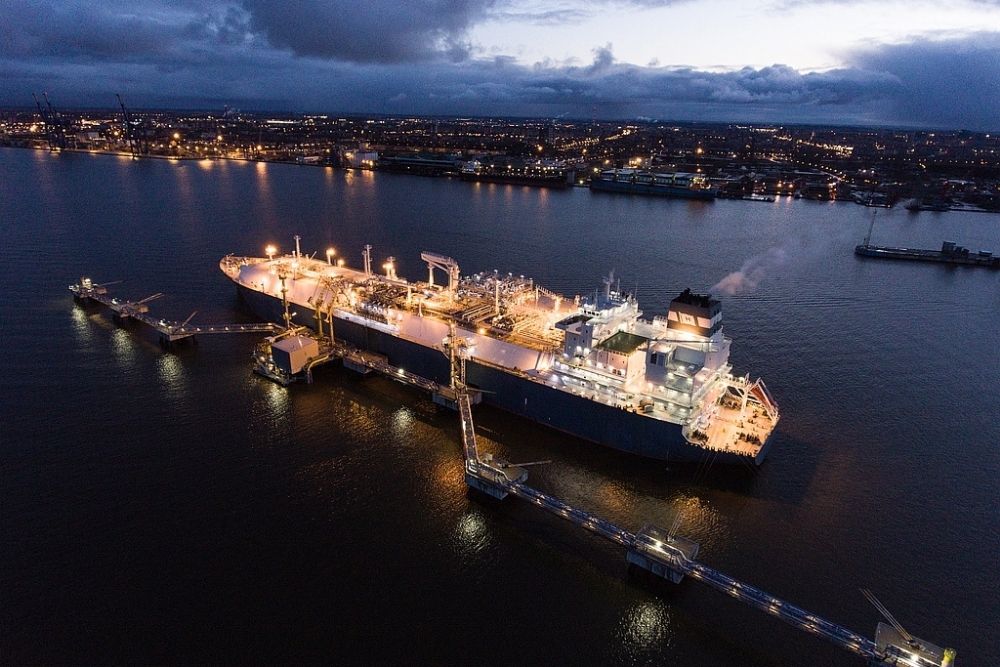
Taiwan is moving to increase its liquefied natural gas (LNG) imports from the United States, aiming to reduce its record trade surplus with Washington and potentially avoid higher tariffs. State-owned CPC Corp. and the economy ministry are currently in talks with an Alaska-based LNG export plant to secure additional supplies…

Tech and pharma in crosshairs as Trump expands tariff campaign
The Trump administration is moving ahead with formal investigations into imports of pharmaceuticals and semiconductors, laying the groundwork for new tariffs on both sectors under national security provisions, according to filings published Monday in the Federal Register. The move marks the latest expansion of President Donald Trump’s aggressive tariff regime and further underscores his use of trade tools to remake U.S. supply chains in strategic industries.
The probes, initiated under Section 232 of the Trade Expansion Act of 1962, will assess whether foreign reliance on chips and pharmaceuticals poses a national security risk. Section 232 allows the president to impose tariffs unilaterally if an import is deemed to harm U.S. security interests. The Trump administration has invoked the statute extensively since returning to office in January, citing it to justify sweeping duties on steel, aluminum, and automotive goods.