
Britain’s Octopus to buy stake from Norwegian offshore wind developer
- September 13, 2023
- Posted by: Quatro Strategies
- Categories: ESG & Renewable Energy, Europe
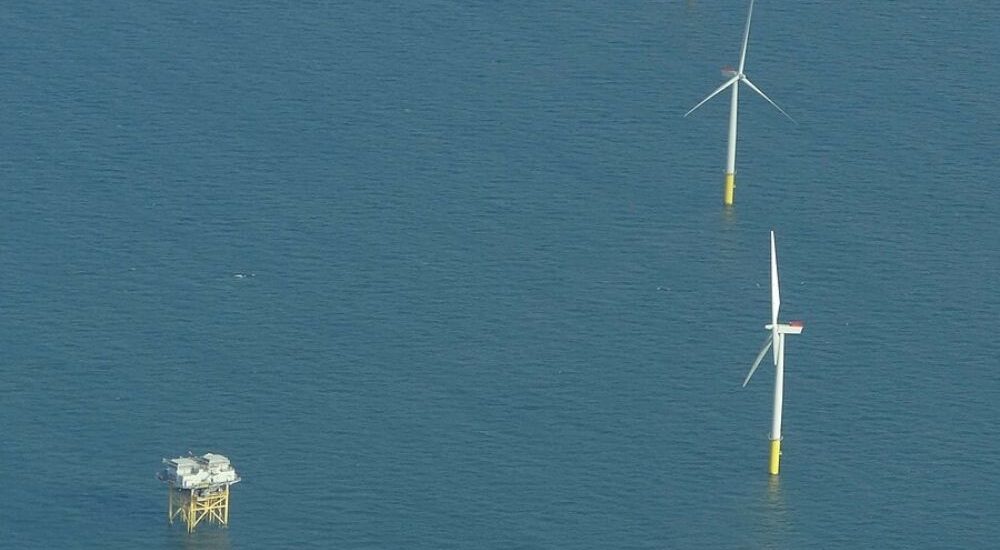
Octopus Energy, a British energy company, is set to acquire a stake in Deep Wind Offshore, a Norwegian offshore wind developer with projects in Norway, Sweden, and South Korea. The financial details of the transaction and the size of the stake were not disclosed. This investment is made by Octopus Energy’s generation arm and adds to the existing investments from Knutsen OAS, Haugaland Kraft, and Sunnhordland Kraftlag.
Deep Wind Offshore is focused on building 10 gigawatts (GW) of offshore wind capacity by 2032, with 2 GW already under exclusive development in South Korea and plans to bid in upcoming auctions in Norway.
Octopus Energy plans to invest $20 billion in offshore wind projects globally. This deal represents Octopus Energy’s entry into the renewable markets of Norway and South Korea, expanding its portfolio of renewable energy investments.
Octopus Energy is already involved in offshore wind projects in England and the Netherlands and is an investor in floating offshore wind developer Simply Blue.
This move further demonstrates the company’s commitment to expanding its presence in the offshore wind sector and supporting the global transition to renewable energy sources.
Interested in learning more?
Sign up for Top Insights Today

Top Insights Today delivers the latest insights straight to your inbox.
You will get daily industry insights on
Oil & Gas, Rare Earths & Commodities, Mining & Metals, EVs & Battery Technology, ESG & Renewable Energy, AI & Semiconductors, Aerospace & Defense, Sanctions & Regulation, Business & Politics.
Read more insights
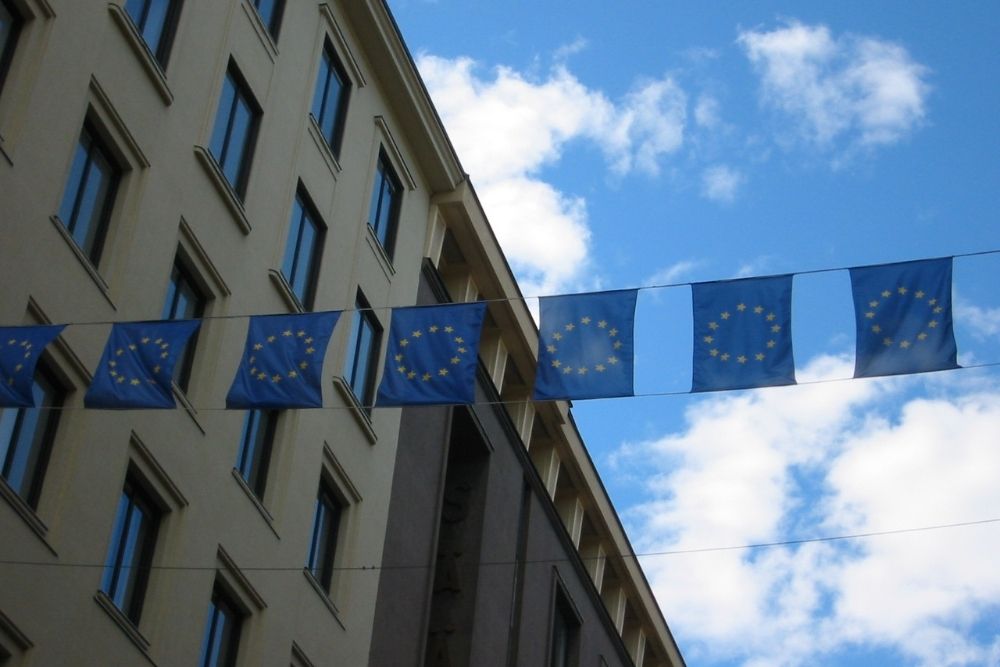
EU fears China could become new Russia in terms of economic dependence
A paper prepared for EU leaders has raised concerns about potential over-dependency on China for lithium-ion batteries and fuel cells by 2030, drawing a parallel with the EU’s past reliance on Russia for energy.
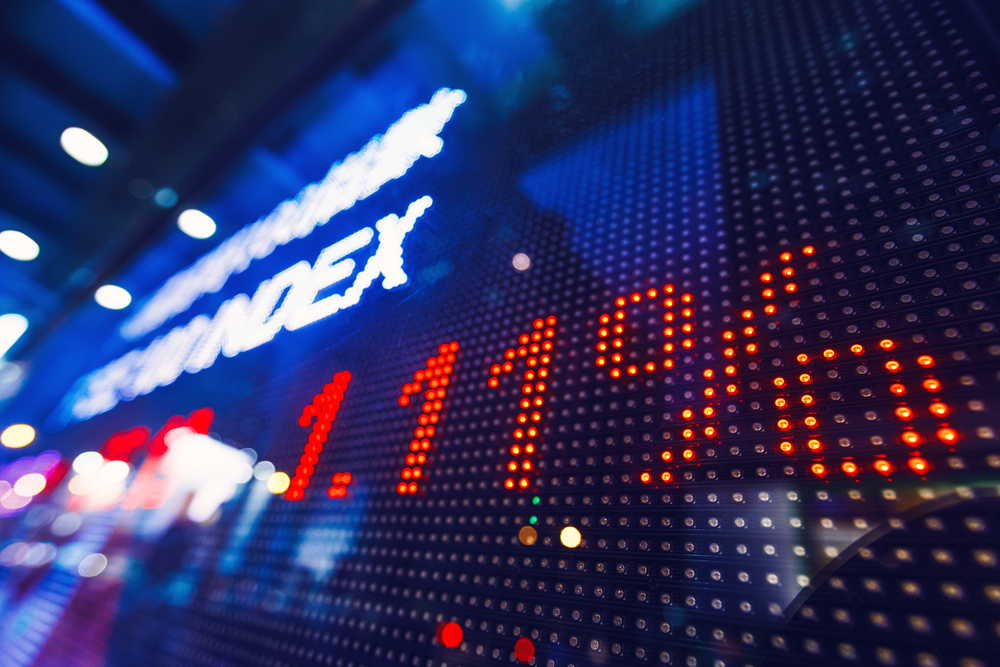
World economy teeters as trade war uncertainty roils markets
Global financial markets plunged on Monday as fears of a worldwide recession deepened, driven by U.S. President Donald Trump’s sweeping new tariffs and a lack of clarity on any near-term resolution to the spiraling trade war. Investors, already rattled by last week’s historic tariff announcement, showed no sign of regaining confidence amid a backdrop of deepening global uncertainty.
The selloff, which began late last week following Trump’s announcement of a 10% baseline duty on all imports and much higher tariffs on dozens of major trading partners, accelerated sharply. Japan’s Nikkei index dropped nearly 8%, European shares followed with a 6% loss, and U.S. stock futures pointed to another sharp slide on Wall Street.
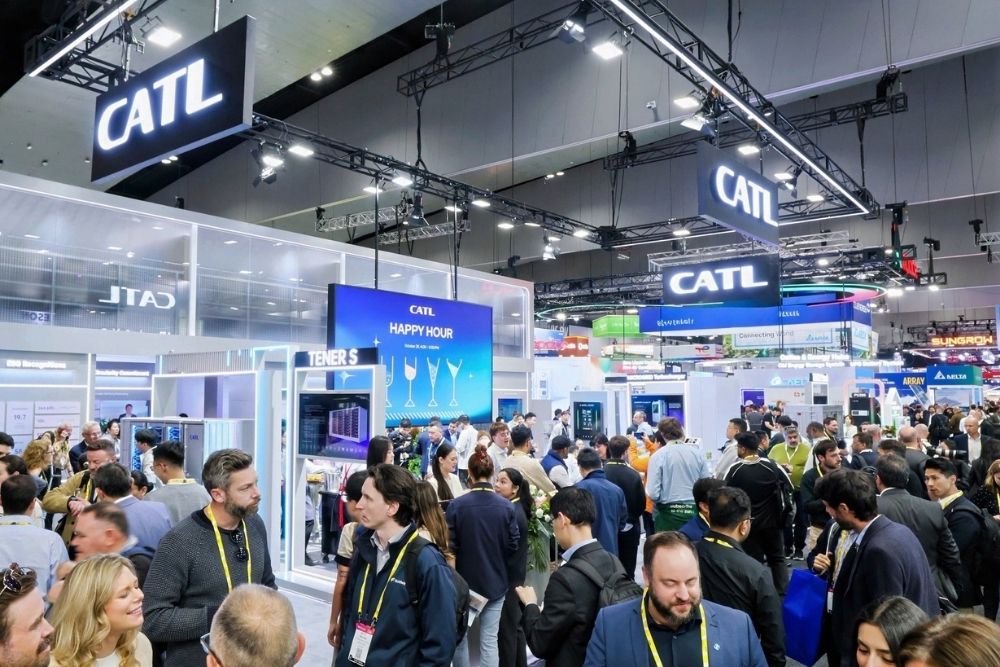
Europe’s biggest new battery plant to be built in Spain, by China’s CATL
China’s CATL is about to pour concrete under one of the most telling contradictions in Europe’s industrial strategy: Brussels wants “strategic autonomy” from China in clean tech, yet the continent’s biggest new battery plant will run on Chinese know-how.
CATL and Stellantis are now starting construction of a €4.1 billion lithium-iron-phosphate (LFP) battery gigafactory in Figueruelas, a village next to Stellantis’s existing plant near Zaragoza in Aragón. Backed by more than €300 million in EU and Spanish public funding, the factory is slated to begin production in late 2026 and ramp up to roughly 1 million EV battery packs a year by 2028, making it Spain’s largest battery facility and one of the flagship projects of Europe’s electrification push.