
Pirelli’s shareholder agreement with Chinese investors not to be renewed
- October 4, 2023
- Posted by: Quatro Strategies
- Categories: Business & Politics, China, Europe, Sanctions & Regulation
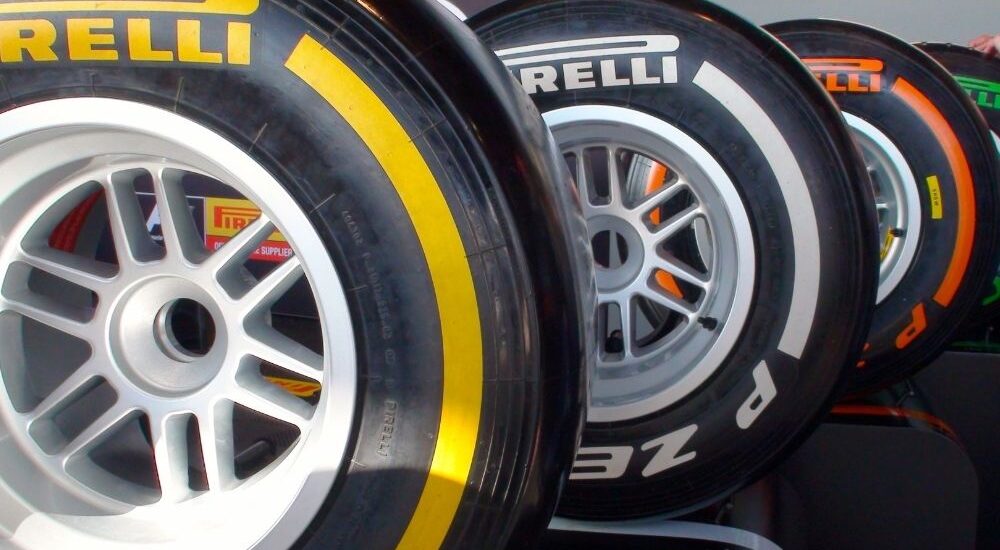
Pirelli, a prominent Italian tyre manufacturer, recently announced a notable development in its corporate structure. The company revealed that its major Chinese investors, Sinochem and Silk Road Fund, have chosen not to extend their collaborative agreement regarding certain key matters at the tyre-making giant. These investors hold substantial stakes in Pirelli, with Sinochem having a 37% stake and Silk Road Fund a 9% stake. This collaborative shareholder agreement, initially established in 2020, was a strategic move to synchronize their positions and votes concerning particular crucial issues concerning Pirelli.
One significant aspect of this agreement was Silk Road Fund’s commitment to align its votes with Sinochem’s at Pirelli’s shareholder meetings, accounting for a 5% stake out of their combined 9% ownership. However, as the agreement reached its predetermined termination date on September 29, it has ceased to be in effect. Although Pirelli made this announcement, the precise reasons behind the investors’ decision to not renew the agreement were not provided.
It’s important to note that Sinochem, a state-owned entity, has a distinct governance agreement with another influential investor in Pirelli, Camfin. Camfin represents the interests of Marco Tronchetti Provera, a notable Italian entrepreneur who has held a leadership role at Pirelli since 1992 and currently serves as the executive vice chairman.
Earlier this year, the Italian government exercised its “golden power” legislation, a mechanism designed to safeguard vital national assets, to impose conditions on the potential renewal of the governance pact between Sinochem and Camfin.
This governmental intervention significantly impacted Pirelli’s governance dynamics, fortifying Camfin’s influence over the company. Despite Camfin owning a 14.1% stake in Pirelli, the Italian government’s actions strengthened its role within the company.
Pirelli is renowned not only for its consumer tyre business but also as a significant tyre supplier for Formula One motor racing, further elevating the importance of these governance shifts within the company. However, the exact implications of this recent decision by Sinochem and Silk Road Fund on Pirelli’s future strategic direction remain to be seen.
QUATRO Strategies International Inc. is the leading business insights and corporate strategy company based in Toronto, Ontario. Through our unique services, we counsel our clients on their key strategic issues, leveraging our deep industry expertise and using analytical rigor to help them make informed decisions to establish a competitive edge in the marketplace.
Interested in learning more?
Sign up for Top Insights Today

Top Insights Today delivers the latest insights straight to your inbox.
You will get daily industry insights on
Oil & Gas, Rare Earths & Commodities, Mining & Metals, EVs & Battery Technology, ESG & Renewable Energy, AI & Semiconductors, Aerospace & Defense, Sanctions & Regulation, Business & Politics.
Read more insights
MP Materials, Ma’aden forge Saudi hub for heavy rare earths refining
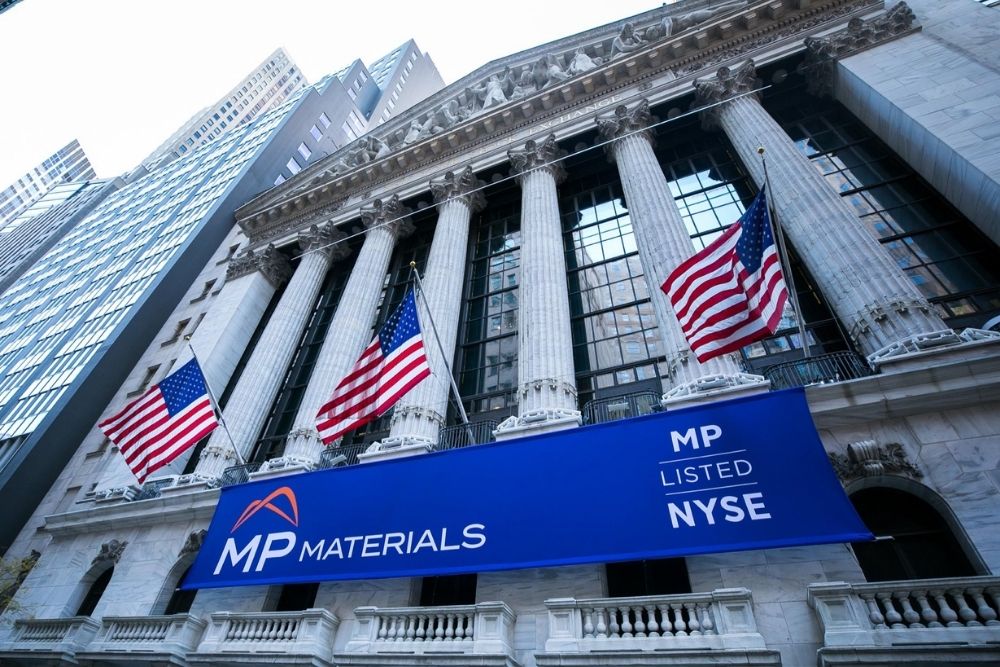
MP Materials is stitching together a new rare earths hub in Saudi Arabia, teaming up with Riyadh’s state miner Ma’aden, and strikingly, Washington itself. The plan is to build a refinery inside the kingdom that can take mixed concentrates from Saudi deposits and elsewhere and separate them into high-value oxides across the spectrum of “light” and “heavy” rare earths.
Under the structure announced, Ma’aden will hold a controlling 51% stake, while MP and the U.S. government, already set to become MP’s largest shareholder through a Pentagon investment, will jointly own the remaining 49%. The timing coincides with Crown Prince Mohammed bin Salman’s Washington visit and signals that energy and security ties are being recast around critical minerals, not just oil.
Vietnam set to unlock funding to reduce coal use after agreement with G7
Vietnam is reportedly finalizing reform commitments with G7 governments and multilateral lenders, a move that could unlock significant funding to reduce coal usage in the country. The document in question, known as the Resource Mobilization Plan, is currently under discussion…

13-month import slide shows China stepping back from seaborne LNG
China’s appetite for liquefied natural gas delivered by sea is in a prolonged funk. In November, seaborne LNG arrivals are on track to fall year-on-year for the 13th consecutive month, underscoring how decisively Chinese buyers have shifted away from costly spot and short-term cargoes.
Deliveries are roughly 5.8 million tons for the month, a decline of around 5.5% compared with November a year earlier based on customs data. The picture is not one of scarcity, but of deliberate substitution: Beijing is leaning on cheaper pipeline gas and domestic production to meet demand rather than paying a premium for shipborne LNG.