
Japan’s Sumitomo to invest $12.5 million in Canadian battery materials firm Nano One
- September 26, 2023
- Posted by: Quatro Strategies
- Categories: Americas, Asia Pacific, EVs & Battery Technology, Mining & Metals
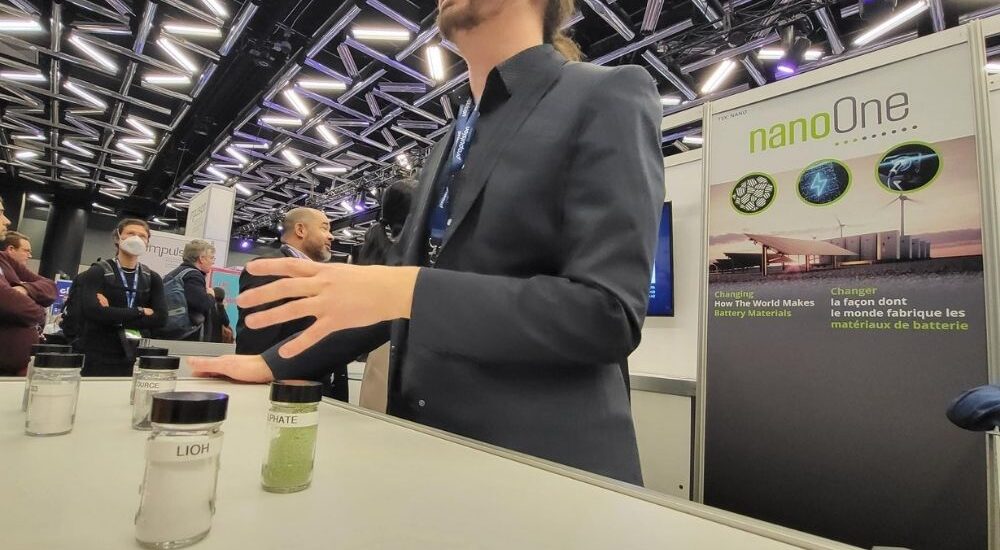
Sumitomo Metal Mining, a prominent Japanese company, has committed a significant investment of $16.9 million into Nano One, a Canadian firm specializing in battery materials. This strategic move is part of Sumitomo Metal Mining’s overarching goal to advance sustainable approaches to the production of lithium-ion batteries, aligning with the burgeoning demand for electric vehicles (EVs) and the need for eco-friendly battery manufacturing methods. The collaboration also outlines plans for joint efforts in developing a production process for battery cathode materials that is both environmentally sound and cost-effective.
Of note, this collaboration comes on the heels of a bilateral agreement between Japan and Canada, highlighting their collective determination to establish sustainable and reliable global battery supply chains. Vancouver-based Nano One has attracted interest from major players in the mining sector, including Rio Tinto, owing to its patented process for the sustainable production of lithium-ion battery materials, specifically for cathodes, which are fundamental to the battery’s electron transfer.
For Nano One, the investment from Sumitomo Metal Mining represents a pivotal moment, marking the first instance where a producer of cathode active materials has made a substantial investment in the Canadian company. Through this investment, Sumitomo Metal Mining will acquire approximately 5% ownership in Nano One, emphasizing their confidence in the potential of this partnership and the technologies being developed.
Sumitomo Metal Mining is an established Tokyo-based entity with an extensive vertical integration approach, involved in mining, refining, and manufacturing cathode active materials (CAM). The company has been proactively expanding its production capacity for cathode materials, illustrating their commitment to scaling up and meeting the growing demand for lithium-ion batteries in the EV market. Their plans outline a progressive increase in annual capacity, aiming to reach 180,000 tonnes by the fiscal year 2030, indicating a substantial growth trajectory.
In the present battery landscape, securing cathode materials, such as lithium, nickel, manganese, and cobalt, entails a complex supply chain. Notably, these materials account for a significant portion of the overall cost of a lithium-ion battery, roughly a quarter. By investing in Nano One and fostering innovative production processes, Sumitomo Metal Mining aims to streamline the cathode material supply chain and drive down costs, ultimately supporting the widespread adoption of EVs.
Furthermore, the global market for cathode elements is predicted to experience substantial growth, with estimates indicating a surge from a $25.9 billion value in 2022 to a projected $52.6 billion by 2027. This underscores the immense market potential and the strategic relevance of investments and innovations in this sector. The collaboration between Sumitomo Metal Mining and Nano One, underpinned by sustainability and cost-efficiency, is poised to significantly impact the battery industry, advancing the trajectory of clean energy solutions and the transition to electric mobility.
QUATRO Strategies International Inc. is the leading business insights and corporate strategy company based in Toronto, Ontario. Through our unique services, we counsel our clients on their key strategic issues, leveraging our deep industry expertise and using analytical rigor to help them make informed decisions to establish a competitive edge in the marketplace.
Interested in learning more?
Sign up for Top Insights Today

Top Insights Today delivers the latest insights straight to your inbox.
You will get daily industry insights on
Oil & Gas, Rare Earths & Commodities, Mining & Metals, EVs & Battery Technology, ESG & Renewable Energy, AI & Semiconductors, Aerospace & Defense, Sanctions & Regulation, Business & Politics.
Read more insights
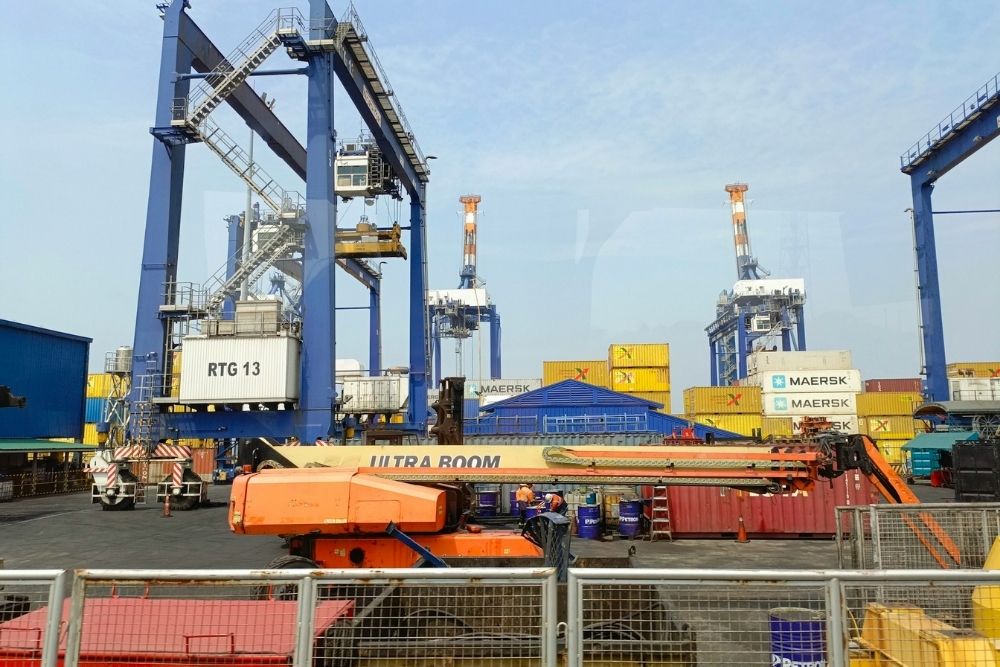
U.S. 30% tariffs on Mexico and EU set to redraw supply chains
President Donald Trump’s threat to impose a 30% tariff on imports from Mexico and the European Union marks a profound escalation of a trade strategy that is increasingly geopolitical rather than purely economic. This is no longer just about fair trade or bilateral deficits. It is about reconfiguring global supply chains under an “America First” industrial policy that aims to reduce foreign dependencies in critical sectors like autos, steel, tech hardware, and pharmaceuticals.
It is also about using tariff threats to compel partners into rewriting rules on market access, regulatory alignment, and foreign investment, extending Washington’s leverage deep into the domestic economies of allies. By simultaneously issuing tariff ultimatums to more than 23 countries, Trump is effectively recasting the U.S. as a buyer’s cartel leader, telling major exporters that access to the American market now comes with significant new strings attached.
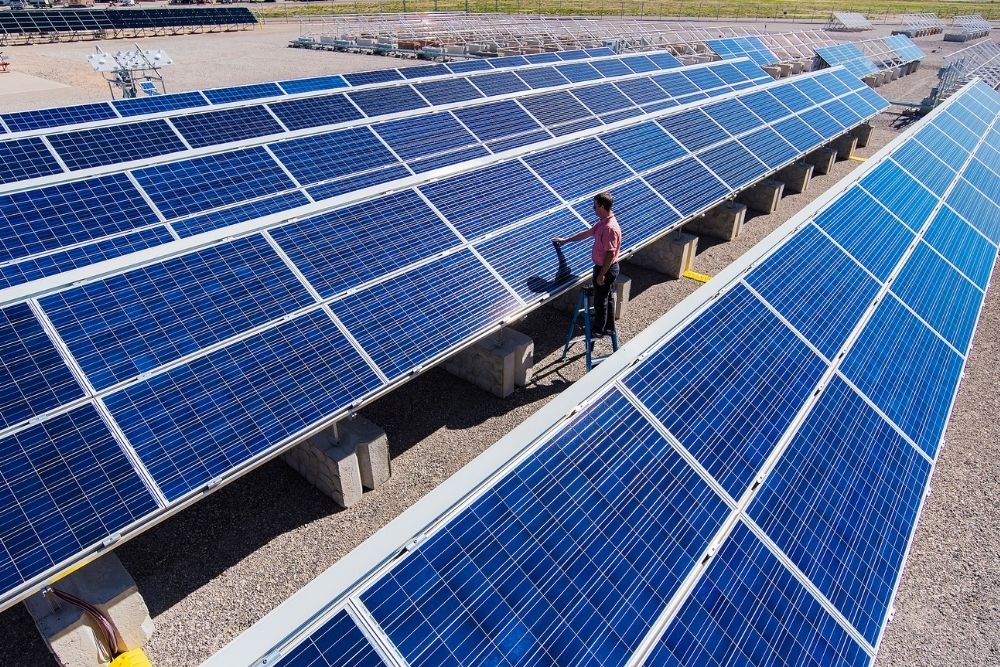
China backs OPEC-style solar consolidation to end price wars
China’s leading solar manufacturers are moving toward an unprecedented consolidation effort that could fundamentally reshape the global polysilicon market; and by extension, the economics and geopolitics of the solar supply chain over the next decade.
The reported plan by companies such as GCL Technology to create a 50 billion yuan ($7 billion) restructuring fund would buy and permanently shut down over one million tons of polysilicon production capacity, effectively removing roughly one-third of China’s current oversupply. This comes amid Xi Jinping’s broader “anti-involution” campaign aimed at halting destructive price wars and overcapacity in strategic industries.

China’s deflation problem Is morphing into a confidence crisis
China’s inflation gauges are still pointing down, and that’s sharpening a policy dilemma in Beijing. September brought another month of falling prices at both the factory gate and the checkout counter. Producer prices slid 2.3% from a year earlier, still negative but the mildest drop in seven months, while headline consumer prices dipped 0.3%. Core CPI ticked up to 1%, its highest in roughly a year and a half, yet that firmer core can’t mask the broader disinflationary drift.
Households are spending cautiously despite a double holiday period, food prices are dragging (pork is especially weak), and firms in key industries remain locked in bruising price competition even after officials urged restraint. Exports perked up, but the rebound is competing with a louder narrative: renewed frictions with Washington and Beijing’s own export-control moves are unsettling corporate plans and hiring.