
Canada’s Stelco preparing bid to acquire US Steel Corp
- September 22, 2023
- Posted by: Quatro Strategies
- Categories: Americas, Business & Politics, Mining & Metals, United States

Stelco Holdings, Canada’s largest steelmaker, is reportedly exploring a bid to acquire U.S. Steel Corp, a significant American steel company. This move adds to the growing list of potential suitors for U.S. Steel Corp. Stelco is looking to purchase the entire company, aiming to expand its portfolio of steelmaking assets and enhance its share of the market, particularly in the automotive sector, according to sources familiar with the matter.
The reported bid is in line with Stelco’s strategic objective to strengthen its presence and capabilities in the steel industry, possibly leveraging U.S. Steel Corp’s established position and market reach. The Canadian company is currently in discussions with a potential partner regarding this bid, which underlines the seriousness of its intentions.
In response to this development, U.S. Steel Corp’s shares experienced a 1.5% increase, reflecting investor interest and market reaction to the news. However, both U.S. Steel Corp and Stelco Holdings have refrained from making official comments regarding these reports.
This potential acquisition takes place in the midst of a situation where U.S. Steel Corp is engaged in a dispute with rival steelmaker Cleveland-Cliffs over a confidentiality agreement. This agreement is critical for Cleveland-Cliffs’ participation in an ongoing sale process. The bid from Stelco Holdings adds an intriguing dimension to the already dynamic landscape of the steel industry, leaving market watchers and stakeholders keenly observant of further developments and announcements.
By QUATRO Strategies International Inc.
QUATRO Strategies International Inc. is the leading business insights and corporate strategy company based in Toronto, Ontario. Through our unique services, we counsel our clients on their key strategic issues, leveraging our deep industry expertise and using analytical rigor to help them make informed decisions to establish a competitive edge in the marketplace.
Interested in learning more?
Sign up for Top Insights Today

Top Insights Today delivers the latest insights straight to your inbox.
You will get daily industry insights on
Oil & Gas, Rare Earths & Commodities, Mining & Metals, EVs & Battery Technology, ESG & Renewable Energy, AI & Semiconductors, Aerospace & Defense, Sanctions & Regulation, Business & Politics.
Read more insights

Power price whiplash lures commodity merchants into Europe’s battery market
The rapid expansion of large-scale battery storage in Europe marks a structural shift in the energy and commodity trading landscape, driven by the volatility created by renewable generation’s intermittency. Traders like Castleton Commodities International (CCI), Vitol, and Trafigura, historically focused on oil, gas, and metals, are positioning themselves as major players in electricity markets by investing directly in battery assets, effectively creating the power-sector equivalent of oil storage hubs.
Negative power prices, increasingly common as solar and wind output overwhelms grids during peak generation hours, are creating conditions ideally suited to storage arbitrage. Batteries allow traders to capture value by charging during surplus periods and selling during shortages, a dynamic amplified by Europe’s rapid build-out of renewables and lagging grid flexibility.
Unexpected drop in China’s manufacturing PMI fuels concerns amid property crisis
China’s manufacturing activity experienced an unexpected decline in May, fueling ongoing calls for fresh stimulus as a prolonged property crisis continues to undermine confidence across business, consumer, and investor sectors in the world’s second-largest economy. According to the National Bureau of Statistics…
China sidesteps spot LNG, leans on pipelines and storage for winter
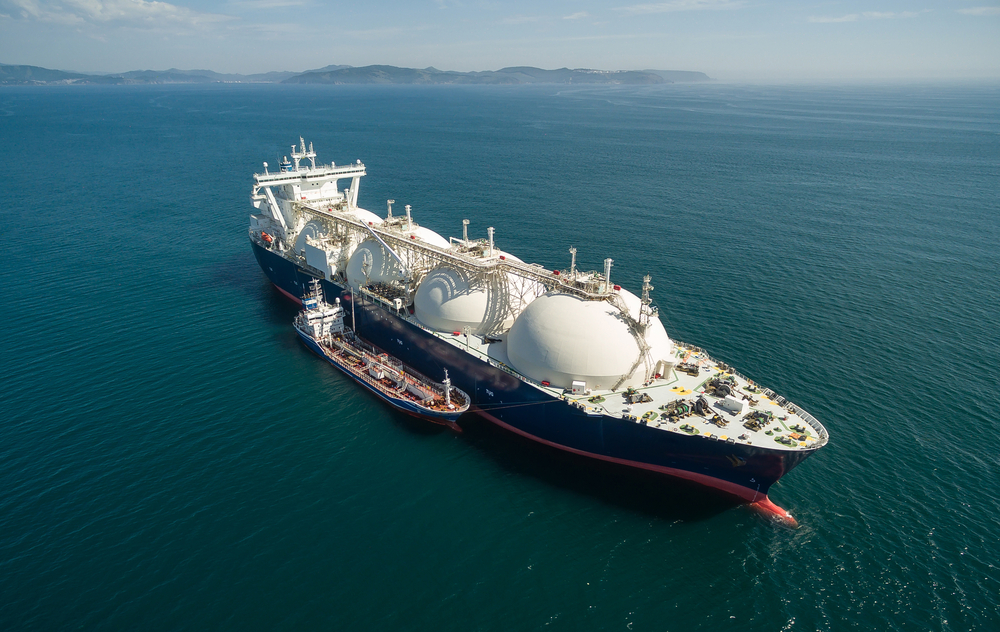
China is signaling a very different kind of winter for gas: one where seaborne LNG is a marginal swing supply rather than the indispensable backbone. With LNG imports falling for an eleventh straight month and double-digit declines year to date, Beijing is leaning on cheaper pipeline volumes from Russia and Central Asia, rising domestic output, and a diversified power mix that includes abundant coal burn and a strong hydro rebound.
The result is a curveball for sellers who bank on a fourth-quarter pull from China to clear global oversupply. It also explains why major Chinese buyers have tanks filled to roughly four-fifths of capacity: not because they expect a demand spike, but to keep optionality high while avoiding a bidding war with Europe if a cold snap hits.