
Contractual disagreement mires Cleveland-Cliffs’ acquisition of U.S. Steel
- September 21, 2023
- Posted by: Quatro Strategies
- Categories: Mining & Metals, United States
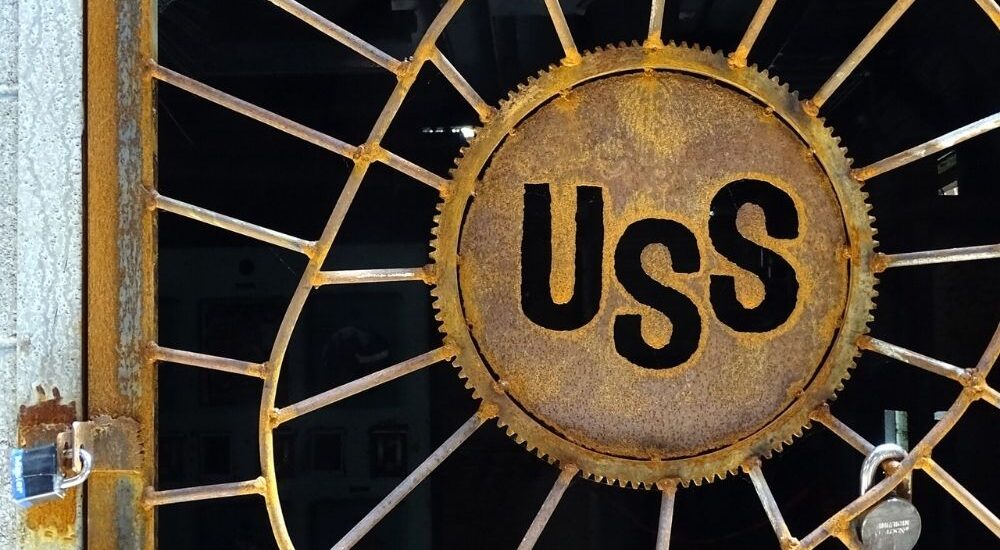
The rivalry between U.S. Steel Corp and Cleveland-Cliffs Inc has escalated due to a disagreement over a confidentiality pact tied to U.S. Steel’s ongoing sale process. U.S. Steel announced its intent to explore a sale on August 13, triggering interest from potential acquirers. However, the sale process has been mired in a standoff regarding the terms of a standstill agreement.
U.S. Steel is demanding that Cleveland-Cliffs sign a six-month standstill agreement, preventing the latter from challenging U.S. Steel’s board of directors. In return, U.S. Steel would allow Cleveland-Cliffs to conduct due diligence and participate in the sale process. Cleveland-Cliffs, however, is reluctant to sign this agreement, aiming to keep its options open as it pursues the acquisition.
Cleveland-Cliffs has presented a significant portion of its $7.1 billion offer in stock to U.S. Steel and secured commitment letters from major banks to fund its bid. Despite this, U.S. Steel has not allowed access to its books for due diligence. U.S. Steel claims all bidders are being granted access on the same terms.
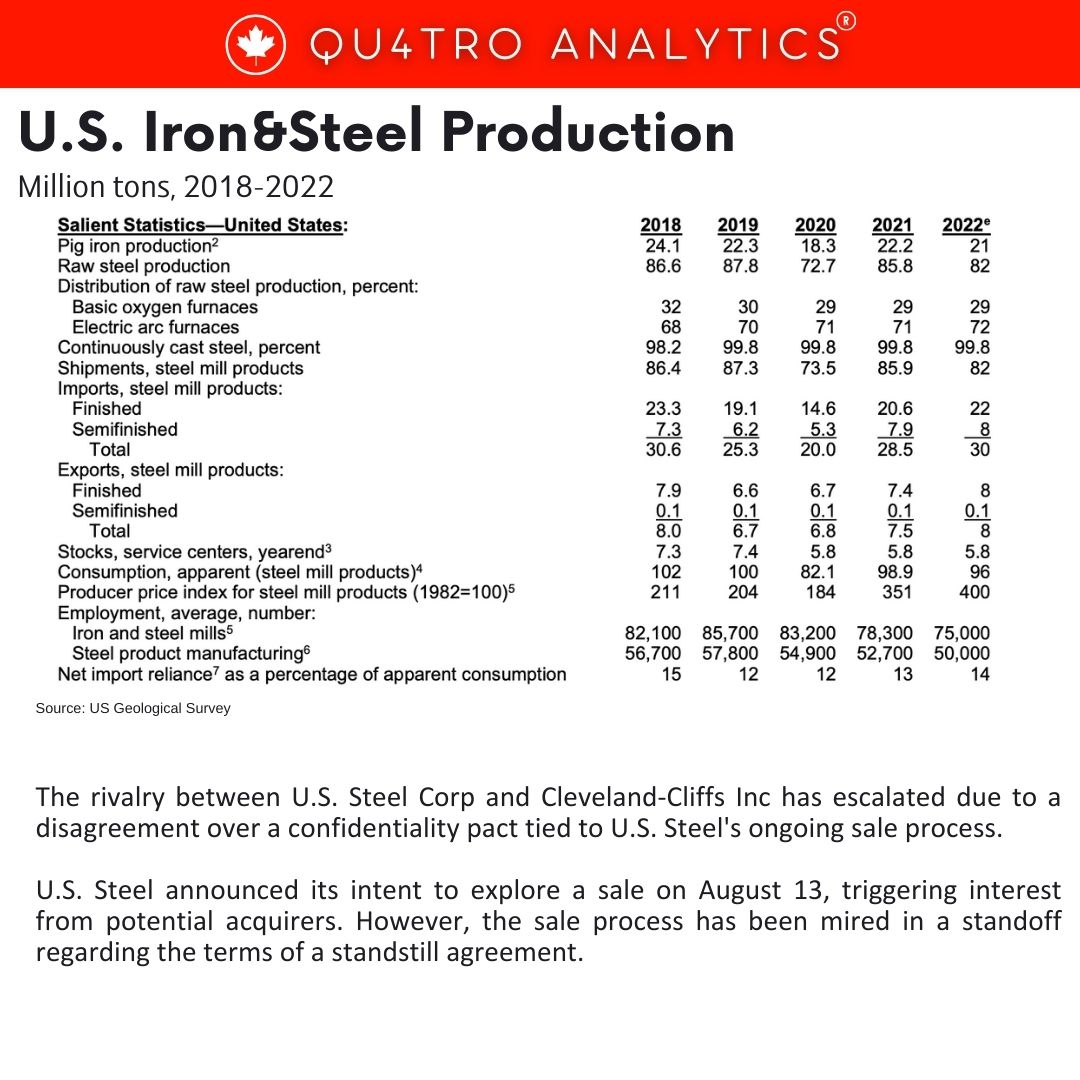 The situation is pivotal for both companies. If successful, Cleveland-Cliffs would break into the world’s top 10 steel producers, a significant feat given the predominantly Asian presence in this domain. Cleveland-Cliffs’ commitment to maintaining U.S. Steel’s blast furnaces has garnered support from the United Steelworkers union, critical in this industry.
U.S. Steel has been transitioning to electric arc furnaces due to cost-effectiveness and environmental considerations, while Cleveland-Cliffs emphasizes maintaining blast furnaces for certain steel production needs. Recently, U.S. Steel forecasted a third-quarter profit exceeding Wall Street estimates, buoyed by reduced raw material costs and higher prices for flat-rolled products. However, the ongoing United Auto Workers strike has weighed on both U.S. Steel and Cleveland-Cliffs due to their significant ties with major automakers. The outcome of this dispute could reshape the steel industry landscape in the United States.
By QUATRO Strategies International Inc.
QUATRO Strategies International Inc. is the leading business insights and corporate strategy company based in Toronto, Ontario. Through our unique services, we counsel our clients on their key strategic issues, leveraging our deep industry expertise and using analytical rigor to help them make informed decisions to establish a competitive edge in the marketplace.
Interested in learning more?
Sign up for Top Insights Today

Top Insights Today delivers the latest insights straight to your inbox.
You will get daily industry insights on
Oil & Gas, Rare Earths & Commodities, Mining & Metals, EVs & Battery Technology, ESG & Renewable Energy, AI & Semiconductors, Aerospace & Defense, Sanctions & Regulation, Business & Politics.
Read more insights
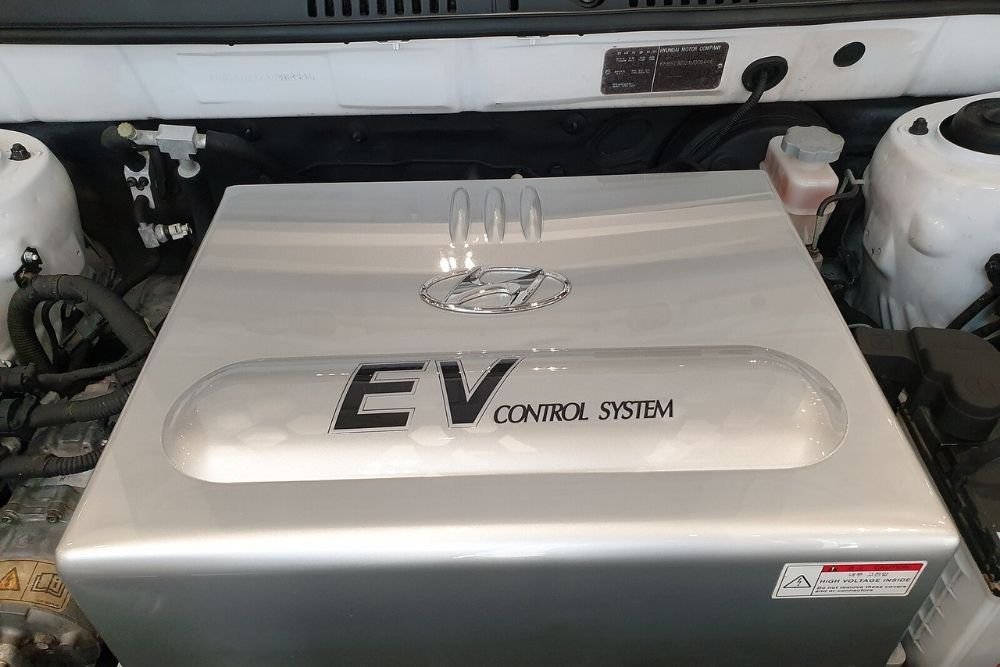
Hyundai to build $5B steel plant in Louisiana, add EV factory in Georgia
Hyundai is set to make a major splash in U.S. industrial and manufacturing policy with a $20 billion onshoring investment, including the construction of a $5 billion next-generation steel plant in Louisiana. The move is part of the South Korean conglomerate’s push to localize production and sidestep looming U.S. tariffs under President Donald Trump’s trade agenda.
The investment will be unveiled Monday at the White House during a joint announcement by President Trump, Hyundai Chairman Euisun Chung, and Louisiana Governor Jeff Landry. The new steel facility, which will employ approximately 1,500 workers, is expected to supply advanced steel for Hyundai’s electric vehicle (EV) production at its two existing U.S. auto plants in Alabama and Georgia.

Memory chip scarcity is stress-testing the AI boom
What began as a “boring” component in the semiconductor stack has quietly become one of the most critical choke points in the global tech economy. Memory chips, DRAM, NAND, and especially high-bandwidth memory for AI accelerators, are now so scarce that they are distorting everything from smartphone pricing to AI build-out plans, and even creeping into macroeconomic risk discussions.
At the most basic level, demand has outrun supply across almost the entire memory landscape. Retailers in Japan are rationing hard drives and SSDs to stop hoarding. Chinese handset makers are openly flagging price hikes. Big U.S. and Chinese tech platforms from Microsoft, Google and Amazon to Alibaba, Tencent and ByteDance are leaning hard on Micron, Samsung and SK Hynix for guaranteed allocation.
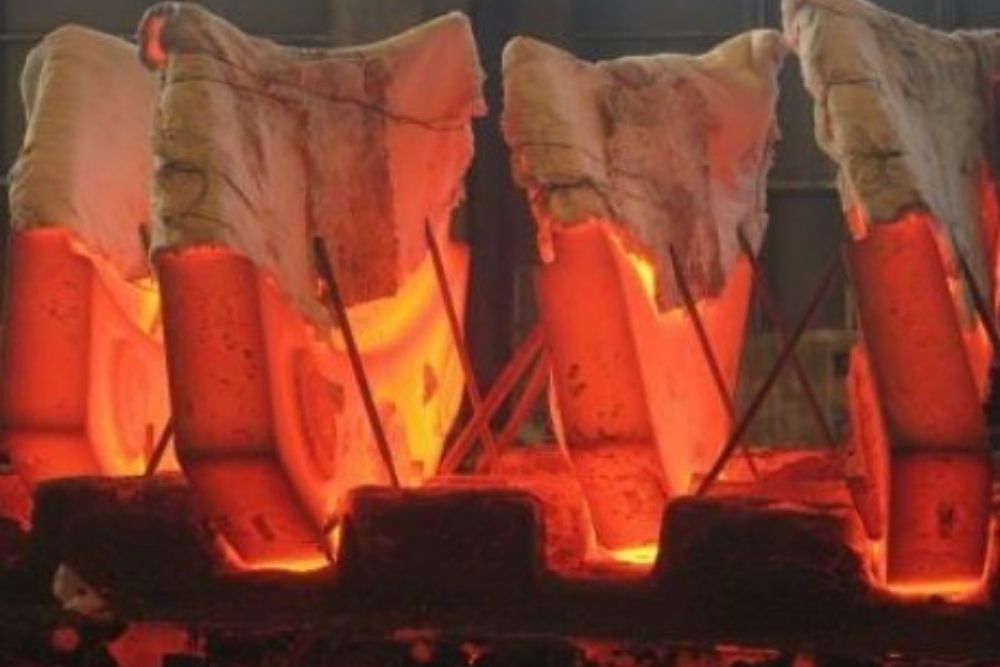
Record-breaking copper prices driven by short squeeze turmoil
The London Metal Exchange (LME) copper price surged to a record nominal high of $11,104.50 per metric ton on Monday, largely influenced by a short squeeze scenario unfolding on the COMEX contract of its U.S. counterpart, CME Group. The frenzy has triggered a rush among traders to transport metal to CME warehouses…