
U.S. businesses’ optimism on China fell to record low
- September 19, 2023
- Posted by: Quatro Strategies
- Categories: Business & Politics, China, United States
In a recent survey by the American Chamber of Commerce (AmCham) in Shanghai, a sense of pessimism among U.S. businesses operating in China was distinctly evident. The optimism regarding the five-year business outlook in China fell to a record low, dropping to 52%. This decline comes even after the easing of COVID-19 restrictions, which had significantly impacted revenues and sentiment in the preceding year. The chairperson of AmCham Shanghai, Sean Stein, expressed surprise at this decline, citing a diminishing hope for a sustained economic rebound post-COVID-19.
Geopolitical tensions, a long-standing concern, remained a top challenge for businesses, with 60% of the 325 respondents citing U.S.-China tensions as a significant business obstacle. This was on par with concerns about China’s economic slowdown. There’s also a growing worry about the transparency of China’s regulatory environment, with a third of respondents reporting a deterioration in policies and regulations concerning foreign companies in the past year. Interestingly, when asked about pressure to decouple, many respondents pointed to U.S. government policies rather than those of China.
Businesses have been caught in the crossfire of deteriorating relations between the U.S. and China, especially concerning technology access and regulatory actions that have made conducting business in China riskier. U.S. firms have voiced apprehensions about fines, raids, and other actions affecting their operations in China. Last month, U.S. Commerce Secretary Gina Raimondo mentioned during her visit to China that U.S. companies have labeled China as “uninvestible.”
The survey was conducted before Raimondo’s visit, and since then, companies seem to be reconsidering whether their pessimism was warranted or if there could be a way out of the constant downward slide in U.S.-China relations. In response to these challenges, an increasing number of firms, around 40%, are redirecting or considering redirecting investments initially designated for China, primarily towards Southeast Asia.
India, Mexico, Vietnam, and Malaysia have been receiving the majority of investment redirected from China by U.S. and European firms. This reflects a shifting investment landscape driven by concerns over geopolitical tensions and the desire for diversification.
The survey underscores the increasingly complex and challenging environment for foreign businesses operating in China, shaped by geopolitical tensions, regulatory uncertainties, and the persistent impact of the COVID-19 pandemic on the economic outlook. These factors collectively have led to a decline in overall optimism about the business outlook in China among U.S. companies.
By QUATRO Strategies International Inc.
QUATRO Strategies International Inc. is the leading business insights and corporate strategy company based in Toronto, Ontario. Through our unique services, we counsel our clients on their key strategic issues, leveraging our deep industry expertise and using analytical rigor to help them make informed decisions to establish a competitive edge in the marketplace.
Interested in learning more?
Sign up for Top Insights Today

Top Insights Today delivers the latest insights straight to your inbox.
You will get daily industry insights on
Oil & Gas, Rare Earths & Commodities, Mining & Metals, EVs & Battery Technology, ESG & Renewable Energy, AI & Semiconductors, Aerospace & Defense, Sanctions & Regulation, Business & Politics.
Read more insights
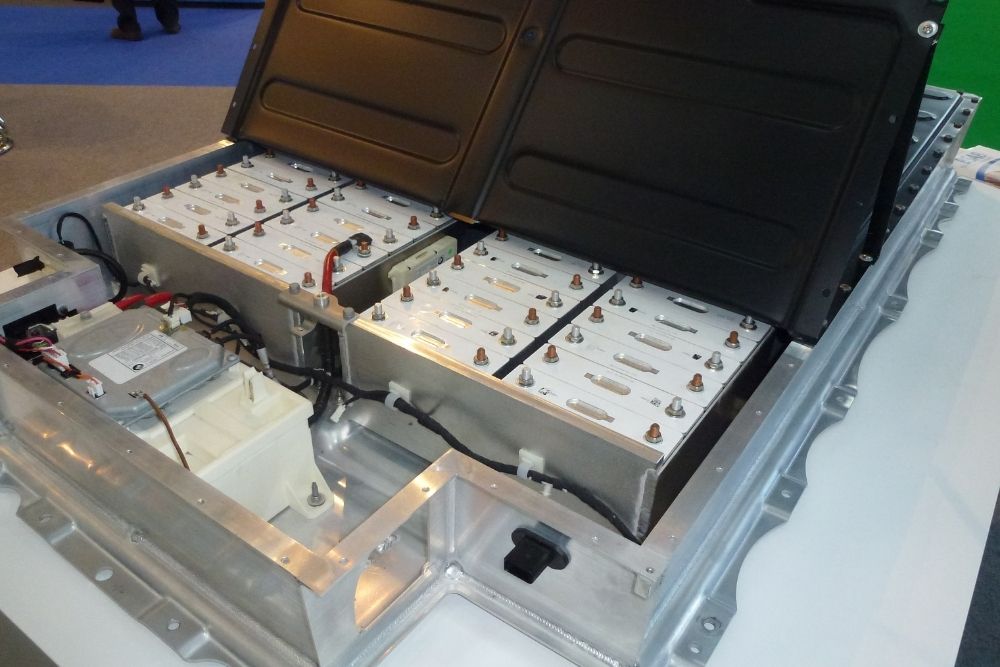
Chinese battery makers looking for deals with U.S. free trade partners Korea and Morocco
Chinese battery companies, integral to the electric vehicle (EV) sector’s growth, are employing strategic alliances with U.S. free-trade partners, specifically South Korea and Morocco. This strategic maneuver not only enables them to tap into the surging demand for EVs in the United States but…
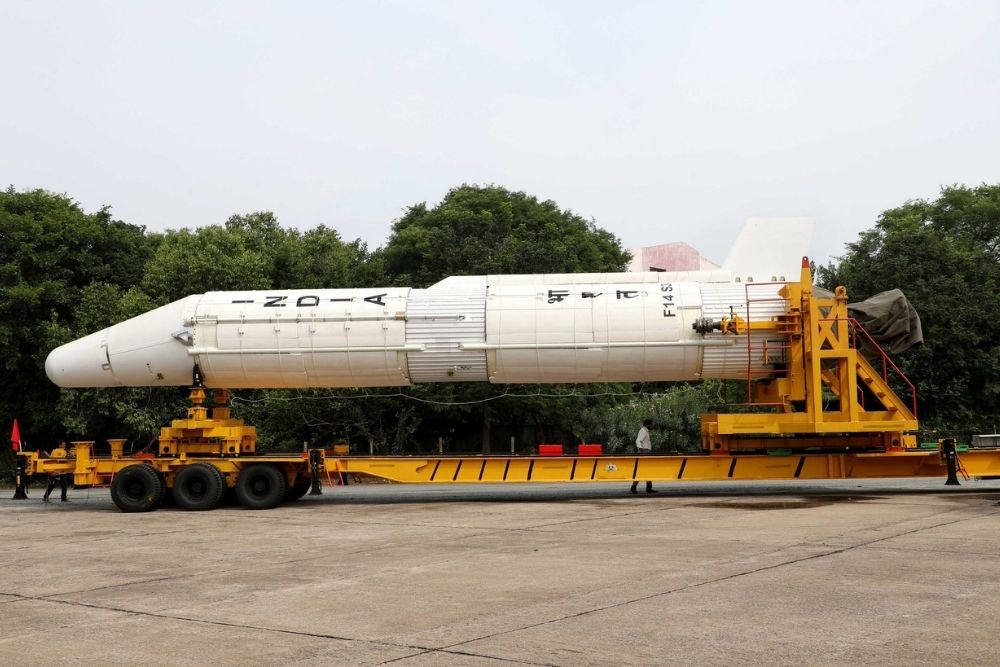
India unveils major reforms in space sector, opens doors to 100% foreign investment
India has announced significant reforms in its space sector, allowing 100% foreign direct investment (FDI) in the manufacture of satellite systems without requiring official approval. Additionally, the rules for investment in launch vehicles have been eased, aiming to increase India’s share of the global…
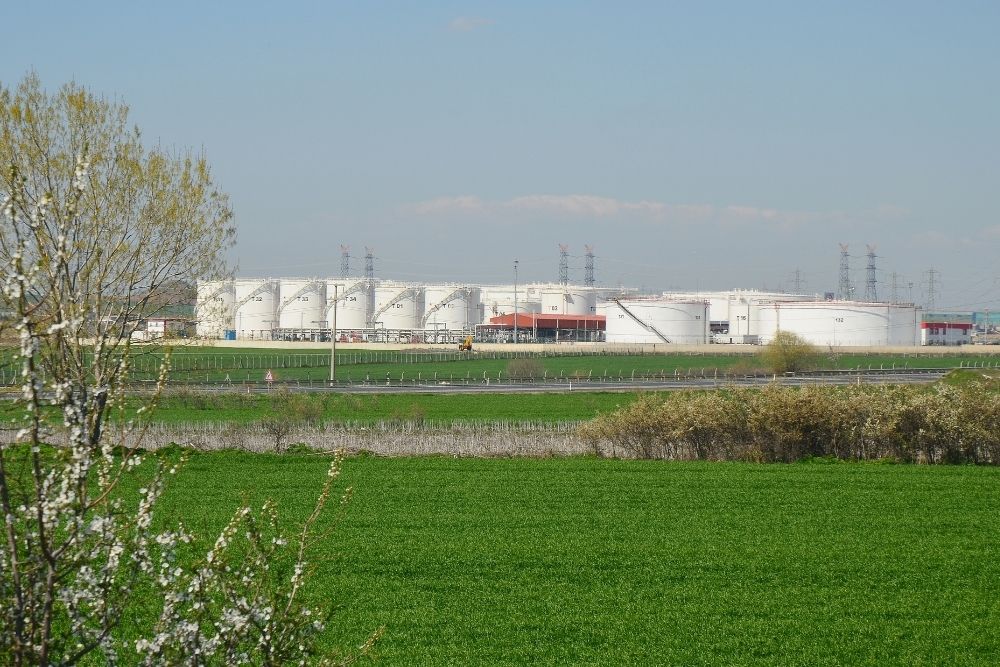
Berlin shifts €3.4 billion gas storage tab into climate fund
Germany is about to remove one of the emergency price add-ons it slapped onto gas bills after Russia’s 2022 invasion. Starting in January, Trading Hub Europe (THE), the country’s gas market coordinator, will scrap the 2.89 €/MWh surcharge that helped finance legally mandated storage fill levels.
The change dovetails with a legal update passed on November 6 that shifts the remaining costs of the storage regime, up to €3.4 billion accrued through end-2025, onto Berlin’s Climate and Transformation Fund rather than consumers’ monthly energy bills.