
Nvidia announces AI partnership with India’s Reliance, Tata
- September 13, 2023
- Posted by: Quatro Strategies
- Categories: AI & Semiconductors, India, United States
Nvidia, the U.S. semiconductor giant, has unveiled strategic AI partnerships with two Indian conglomerates, Reliance Industries and Tata Group. These collaborations are aimed at developing cloud infrastructure, language models, and generative applications.
In its partnership with Reliance Industries, Nvidia will provide the necessary computing power for constructing a cloud AI infrastructure platform. Reliance’s subsidiary, Jio, will be responsible for managing and maintaining the infrastructure, as well as engaging with customers. The initiative aims to create AI applications and services for Jio’s vast customer base, which includes 450 million telecom users. Additionally, Reliance will offer energy-efficient AI infrastructure to scientists, developers, and startups across India.
Nvidia’s partnership with Tata Consultancy Services (TCS), India’s top software services exporter, will focus on building and processing generative AI applications and a supercomputer. This collaboration will also involve upskilling TCS’s extensive workforce of 600,000 employees. The agreement is expected to drive AI-led transformations across various Tata Group companies, spanning manufacturing to consumer businesses.
These collaborations come at a pivotal moment for Nvidia as it seeks to deepen its presence in India’s emerging AI ecosystem. They align with the company’s efforts to overcome export restrictions affecting its chip sales to certain countries, including China.
Nvidia’s CEO, Jensen Huang, recently met with Indian Prime Minister Narendra Modi to explore India’s potential in the AI sector. These partnerships position Nvidia to play a significant role in India’s AI landscape, as the company leverages its expertise in AI hardware and infrastructure.
Notably, Nvidia holds a dominant position globally in providing computing systems for applications like ChatGPT, which is a prominent generative AI chatbot developed by OpenAI.
Reliance Industries, led by Mukesh Ambani, aims to bolster India’s digital infrastructure to accommodate the substantial computational demands of AI. As part of the collaboration, Reliance will gain access to Nvidia’s latest AI chips, including the Grace Hopper Superchip, optimized for AI inference functions.
These developments align with Reliance’s broader strategy to expand its digital services beyond telecommunications and tap into AI-driven opportunities, such as personalized recommendations and cross-selling products and services.
In a related report, it was also noted that Reliance is contemplating entry into semiconductor manufacturing in India, reflecting the conglomerate’s ambitions in the tech and semiconductor sectors.
Interested in learning more?
Sign up for Top Insights Today

Top Insights Today delivers the latest insights straight to your inbox.
You will get daily industry insights on
Oil & Gas, Rare Earths & Commodities, Mining & Metals, EVs & Battery Technology, ESG & Renewable Energy, AI & Semiconductors, Aerospace & Defense, Sanctions & Regulation, Business & Politics.
Read more insights
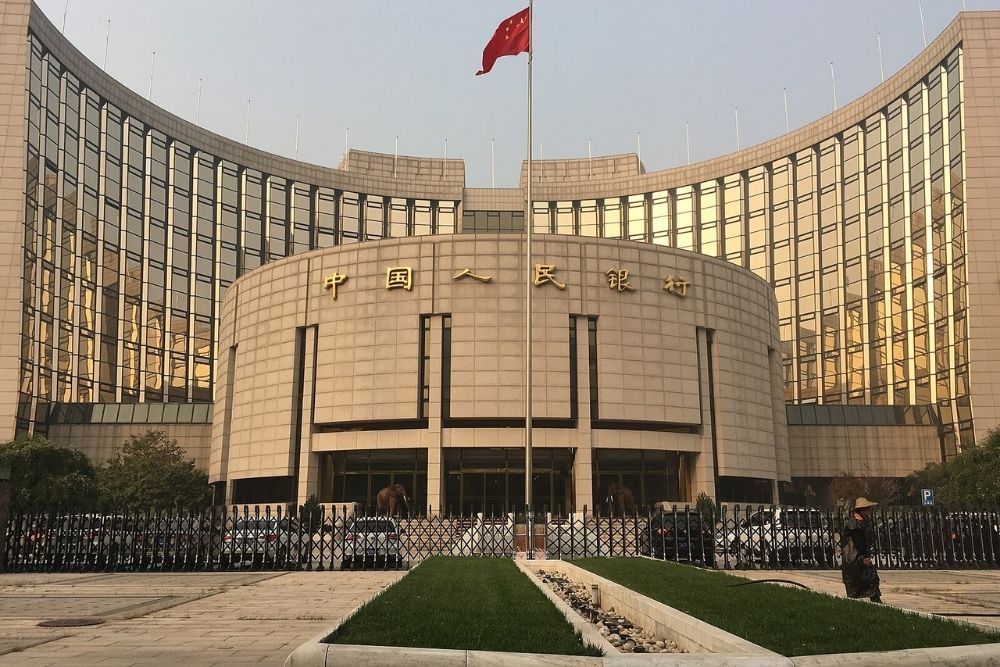
China’s possible mortgage rate cuts not expected to be enough to drive growth
China’s anticipated cut rates on existing mortgages has been met with mixed reactions from economists, who believe it is a concrete step to stimulate the country’s flagging economy but may not be sufficient on its own to drive significant growth. This move, directed by the Chinese government and involving the nation’s largest lenders, is part of Beijing’s broader efforts to encourage consumer spending, invigorate the stock market, and alleviate pressure on bank profit margins as the country’s economy faces challenges.
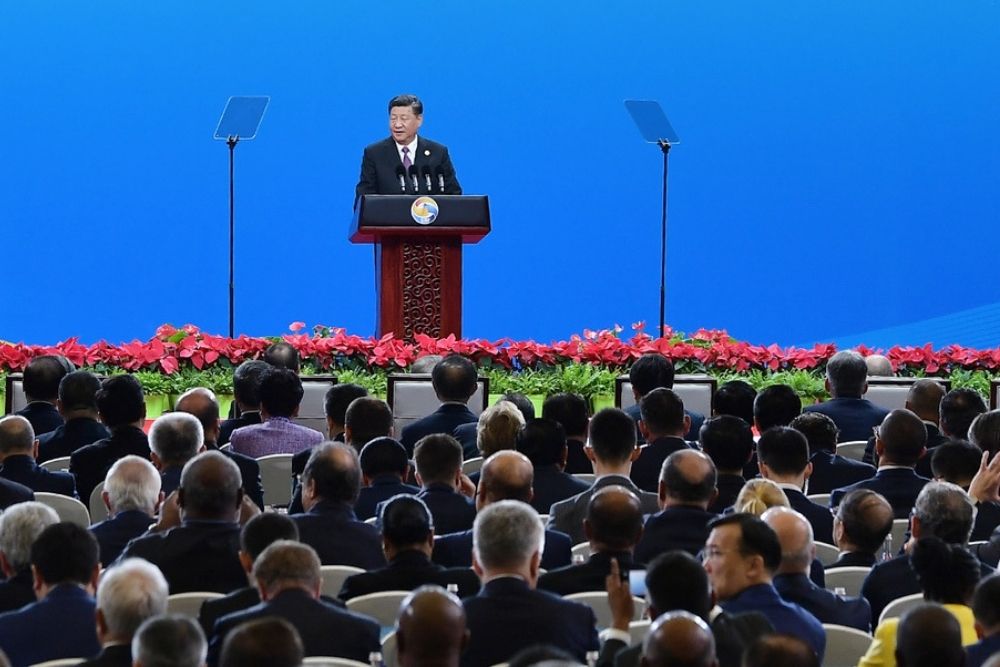
Xi’s vision for ‘new productive forces’ takes center stage in China’s economic agenda
China’s leadership is confronting significant economic challenges by embracing a new mantra coined by President Xi Jinping: unleash “new productive forces.” Premier Li Qiang, in his recent report to China’s legislature, echoed this sentiment by pledging to support developing sectors and industries…
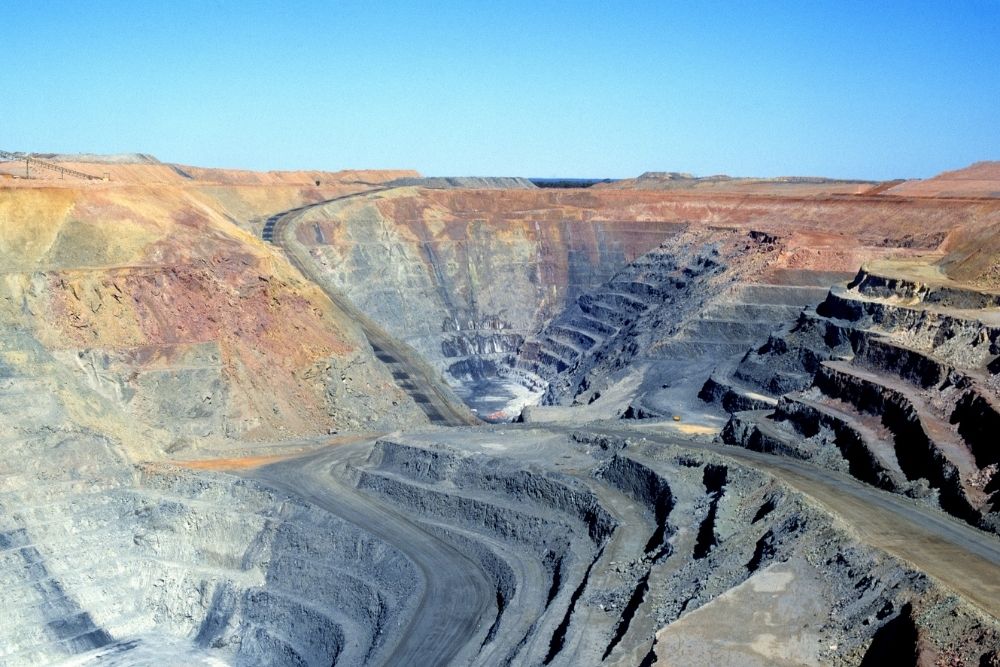
U.S. offers direct equity in Australian critical minerals
Washington is signaling it won’t just cheer from the sidelines as allies build non-Chinese supply chains, it’s ready to co-own them. Australian executives say U.S. officials offered equity, debt-plus-warrants, and even prepaid offtakes into a future defense stockpile to push critical-minerals projects over the line by about 2027.
That follows the Department of Energy’s penny-warrant stakes in Lithium Americas and its Thacker Pass JV with GM, plus recent U.S. equity forays in chips and rare earths. Taken together, this is a shift from pure policy nudges (permits, tax credits) to balance-sheet capitalism aimed at compressing timelines in volatile, thinly traded markets like graphite, cobalt, and rare earths.