
Mali suspends lithium shipping operations
- September 5, 2023
- Posted by: Quatro Strategies
- Categories: Africa, Mining & Metals, Rare Earths & Commodities
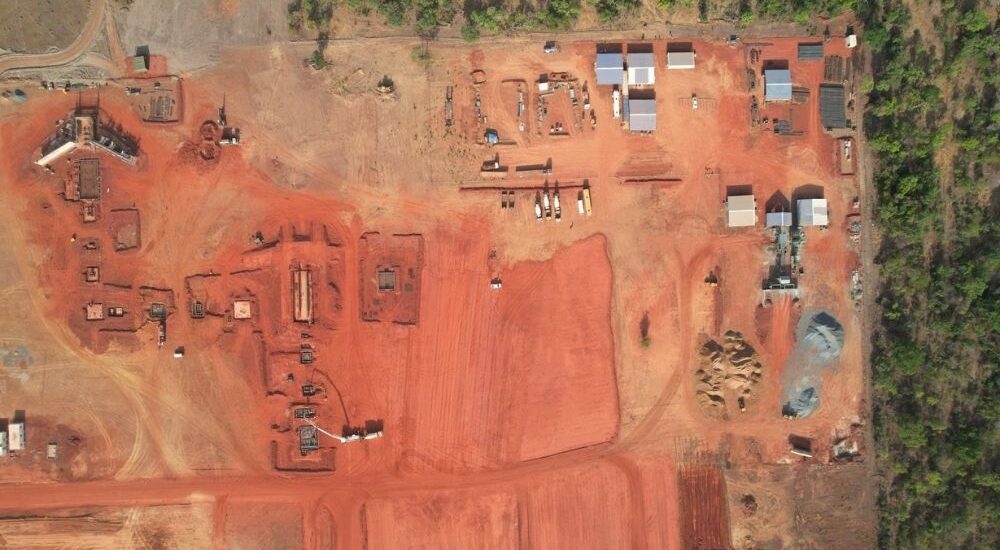
Australian mining company Leo Lithium Ltd. has announced that Mali has suspended operations involving unrefined lithium ore from the Goulamina project, a joint venture with China’s Ganfeng Lithium Group Co. Crushing of direct shipping ore (DSO), an unprocessed form of lithium ore, has been halted immediately, pending discussions with Mali’s Ministry of Mines.
This suspension will not delay any aspect of the Goulamina project, which remains on schedule for spodumene concentrate production in the second quarter of 2024. Mining activities continue according to the pre-existing plan, and mined ore is being stockpiled.
The decision to halt DSO operations comes after correspondence from the Malian mines ministry on July 17 regarding DSO, the status of the government’s 10% stake in the project, and overall project progress. Mali has also established a commission to examine these matters.
Leo Lithium had originally planned to export up to 139,000 tons of unrefined lithium ore before beginning to ship concentrate next year.
The Goulamina project aims to become Mali’s first producing lithium project and is one of the largest resources of lithium-bearing spodumene under development. This development is of significant interest as global demand for lithium, a key component in batteries, continues to grow.
The suspension of DSO operations appears to be related to issues concerning the government’s stake and the processing of lithium resources within Mali. There is a growing trend among resource-rich nations to encourage domestic processing of minerals to add more value to their economies rather than exporting unprocessed materials. Mali, known for its large gold mining industry, is seemingly looking to follow this trend with its lithium resources.
Interested in learning more?
Sign up for Top Insights Today

Top Insights Today delivers the latest insights straight to your inbox.
You will get daily industry insights on
Oil & Gas, Rare Earths & Commodities, Mining & Metals, EVs & Battery Technology, ESG & Renewable Energy, AI & Semiconductors, Aerospace & Defense, Sanctions & Regulation, Business & Politics.
Read more insights

U.S. moves to shield undersea cables from China in cybersecurity crackdown
The Federal Communications Commission (FCC) announced on Wednesday its intention to implement new rules that would bar undersea communication cables from connecting to the U.S. if they contain Chinese technology or equipment, deepening Washington’s strategic efforts to secure global internet infrastructure from perceived adversaries.
The decision adds a critical layer to the expanding technological decoupling between the United States and China, with significant geopolitical, cyber defense, and commercial implications.
New British strategy caps single-country mineral dependence at 60% by 2035
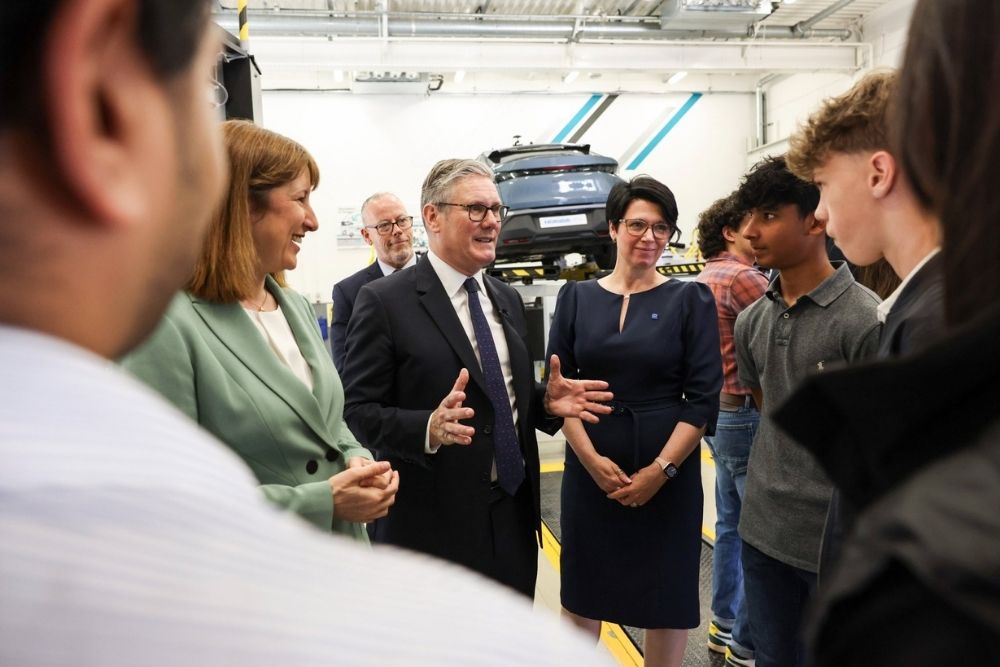
Britain has set out an explicit blueprint to loosen its dependence on foreign suppliers of critical minerals by the middle of the next decade, marking one of the clearest industrial-security commitments of the Starmer government so far. Under the new strategy, London wants 10% of the UK’s demand for critical minerals to be met by domestic production and a further 20% through recycling by 2035, with an additional safeguard that no more than 60% of any one mineral should come from a single country.
The plan, backed by up to £50 million in new funding, is framed as a response to intensifying global competition for the metals that underpin everything from smartphones and electric vehicles to data centres powering artificial intelligence.
U.S. 30% tariffs on Mexico and EU set to redraw supply chains
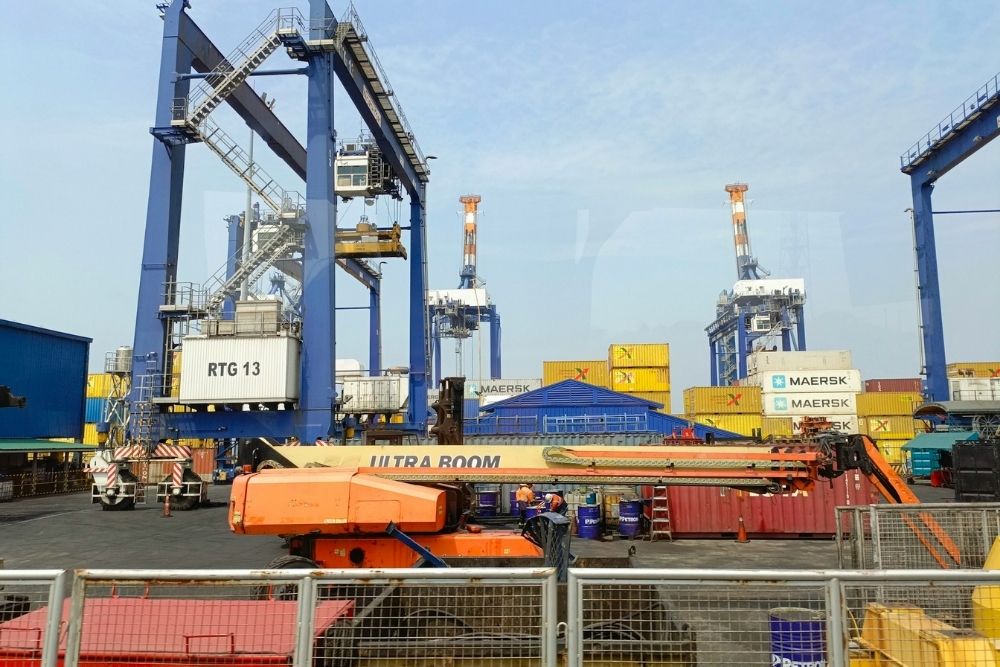
President Donald Trump’s threat to impose a 30% tariff on imports from Mexico and the European Union marks a profound escalation of a trade strategy that is increasingly geopolitical rather than purely economic. This is no longer just about fair trade or bilateral deficits. It is about reconfiguring global supply chains under an “America First” industrial policy that aims to reduce foreign dependencies in critical sectors like autos, steel, tech hardware, and pharmaceuticals.
It is also about using tariff threats to compel partners into rewriting rules on market access, regulatory alignment, and foreign investment, extending Washington’s leverage deep into the domestic economies of allies. By simultaneously issuing tariff ultimatums to more than 23 countries, Trump is effectively recasting the U.S. as a buyer’s cartel leader, telling major exporters that access to the American market now comes with significant new strings attached.