
Indonesia nickel smelters buying ore from Philippines to ease tight supplies
- August 31, 2023
- Posted by: Quatro Strategies
- Categories: Asia Pacific, Mining & Metals, Rare Earths & Commodities
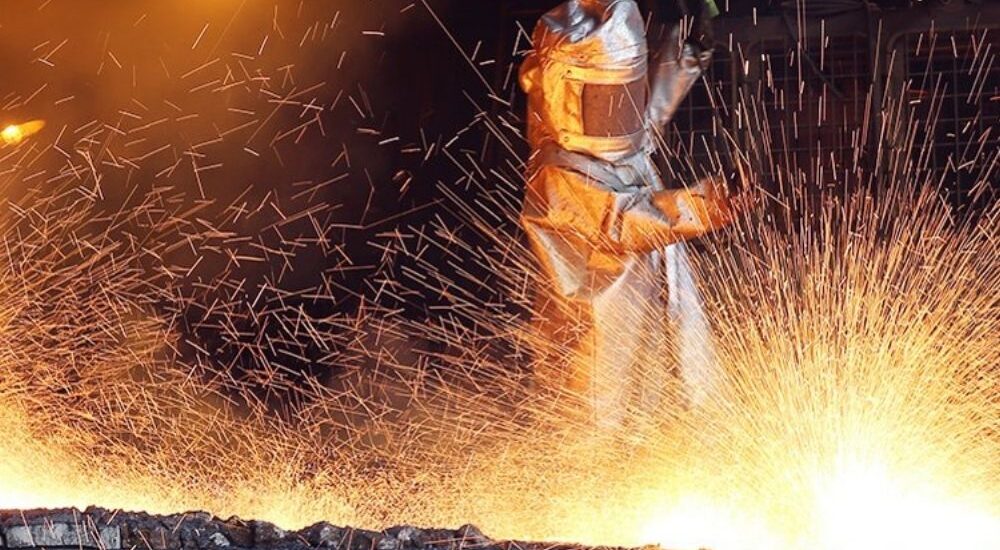
Nickel smelters in Indonesia, the world’s top nickel producer, are reportedly purchasing ore from the Philippines to mitigate tight supplies caused by delayed mining quotas and operational suspensions. While Indonesia has stated that there is no ore shortage, prices have risen about 8% this week, following a 10% increase the previous week. Some smelters in Indonesia are importing low-grade limonite ore from the Philippines due to concerns about further delays in issuing new mining quotas.
The trade disruption is pushing up costs across the nickel supply chain. Indonesia recently delayed issuing mining quotas and suspended operations at a key site due to an investigation into corrupt practices in issuing mining allowances. To address this supply gap, some Indonesian firms are turning to the Philippines, the world’s second-largest supplier of nickel.
Imports of nickel ore from the Philippines to Indonesia started in May and have surged in 2023. Indonesian trade data showed that the Philippines exported nickel ore to Morowali port, a nickel processing park partially operated by Chinese nickel giant Tsingshan Group. However, the volumes of Philippine nickel ore remain small compared to Indonesia’s mined production.
While this situation is helping alleviate immediate supply constraints, the ore from the Philippines is generally of lower grade, potentially leading to higher operating costs due to lower production from the same tonnage of ore. Nonetheless, the cost of the imported ore is cheaper than domestic ore, which offsets some of the rising costs.
As a result of this disruption, the increased demand for Philippine ore is also pushing up prices in China, a major consumer of nickel. The price of Philippines 1.3% grade ore delivered to China’s Lianyun port surged by 20.6% in the past month to $41 per ton.
This trade shift underscores the complex interplay between global supply chains, geopolitical factors, and regulatory changes that can significantly impact commodity markets and industries.
Interested in learning more?
Sign up for Top Insights Today

Top Insights Today delivers the latest insights straight to your inbox.
You will get daily industry insights on
Oil & Gas, Rare Earths & Commodities, Mining & Metals, EVs & Battery Technology, ESG & Renewable Energy, AI & Semiconductors, Aerospace & Defense, Sanctions & Regulation, Business & Politics.
Read more insights
UK extends clean power contracts to 20 years to spur investment
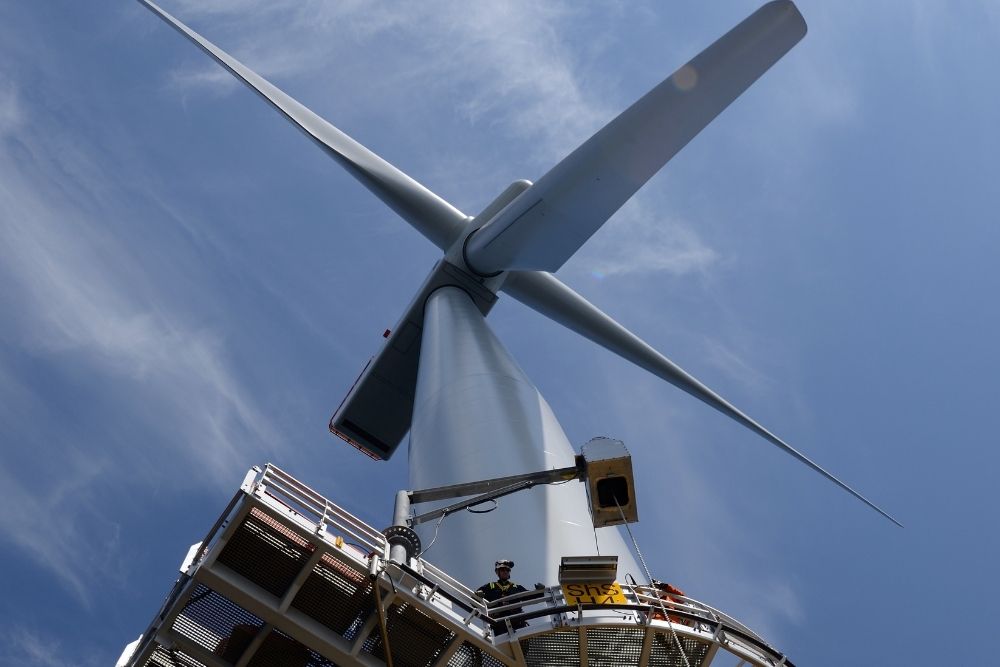
The British government on Tuesday announced significant changes to its flagship scheme for promoting clean energy, aiming to accelerate the expansion of renewables and strengthen the country’s progress toward its ambitious decarbonisation goals. The updates center on the Contracts for Difference (CfD) scheme, which is the UK’s primary tool for attracting investment in low-carbon electricity generation.
One of the most consequential changes is the extension of contract lengths under the scheme. Contracts awarded to offshore wind, onshore wind, and solar projects will now last 20 years, up from the current 15-year terms. This adjustment means the guaranteed payments for generated electricity will be spread out over a longer period, reducing the annual cost burden on consumers while simultaneously offering investors a longer horizon of revenue certainty.
Africa poised to host first cobalt sulphate refinery in Zambia by 2025
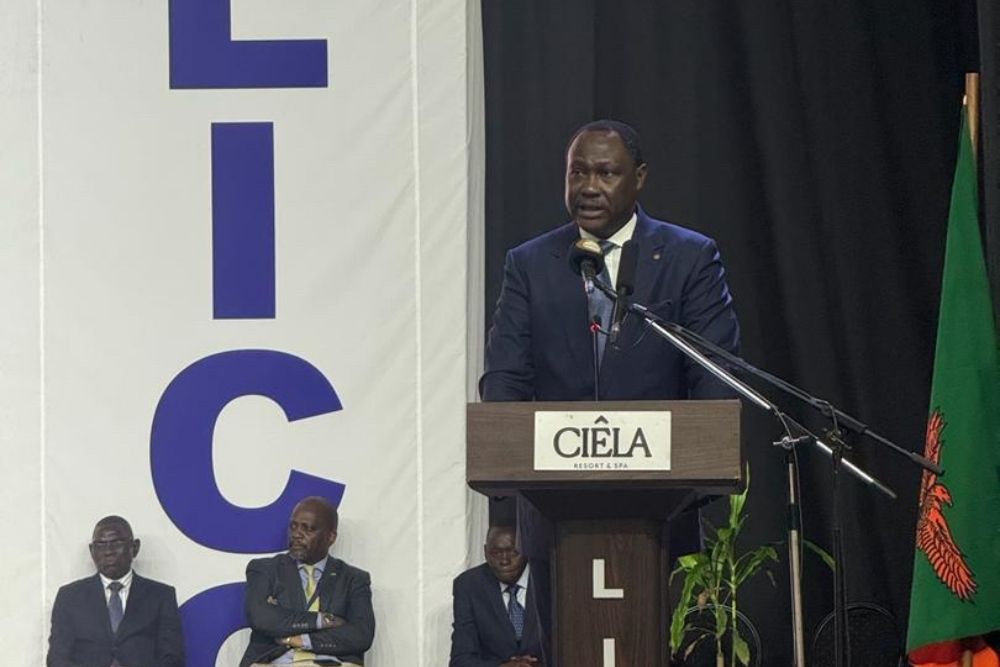
Africa could witness the establishment of its inaugural cobalt sulphate refinery by the culmination of 2025, marking a significant development as one of the few facilities outside of China equipped to produce this crucial component of lithium-ion batteries. Africa Finance Corp., headquartered in Nigeria…
Political turmoil deepens crisis for New Caledonia’s nickel sector
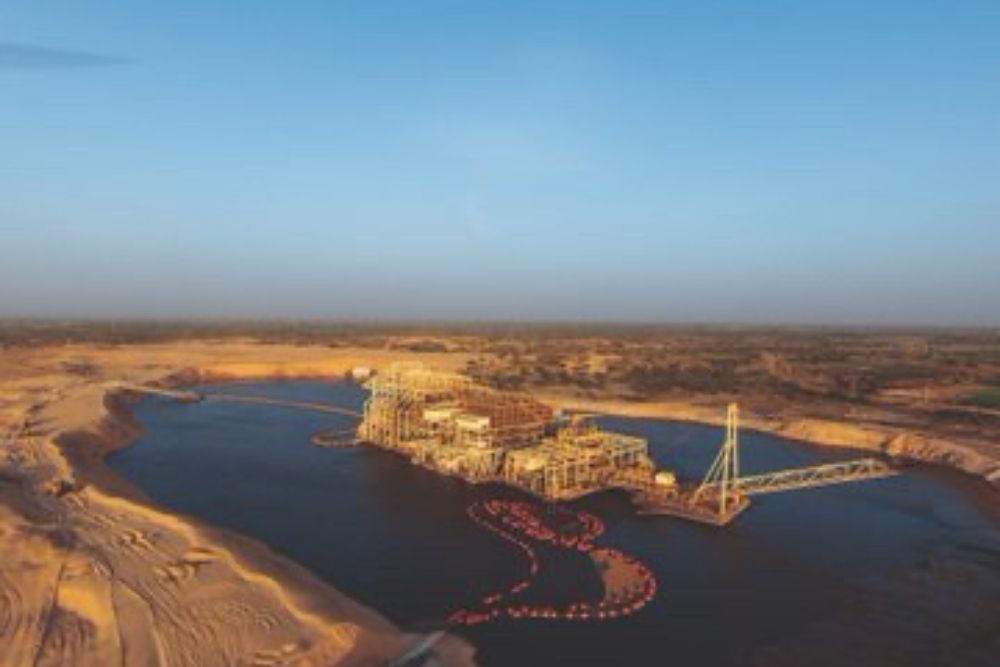
New Caledonia’s nickel processing industry is currently facing a severe crisis as a result of ongoing unrest in the territory, which has significantly disrupted operations across major facilities. The unrest, sparked by electoral reform issues in the French-controlled territory, has exacerbated an already precarious situation for…