
South Africa’s Sibanye looking to bring in Chinese investor for Zambia copper mine
- August 30, 2023
- Posted by: Quatro Strategies
- Categories: Africa, China, Mining & Metals, Rare Earths & Commodities
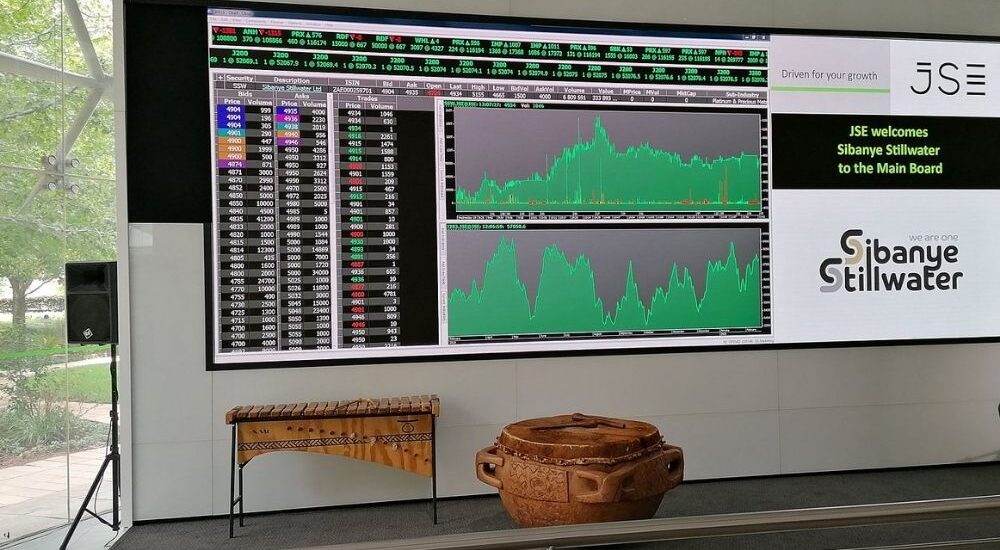
South Africa’s Sibanye Stillwater is considering bringing in a Chinese investor to form a partnership if it succeeds in its bid to acquire Zambia’s Mopani Copper Mines, according to the company’s CEO, Neal Froneman. Sibanye is among the shortlisted potential buyers for the copper mines owned by a unit of the Zambian government. Froneman mentioned that they are working with a partner they have already identified and that the Chinese company has a presence in copper mining. The CEO did not provide further details about the investor or the terms of the potential partnership.
Sibanye is competing against China’s Zijin Mining Group in the bid for Mopani Copper Mines. Froneman, known for his dealmaking expertise, aims to expand Sibanye’s portfolio with new assets as the output from South African gold and platinum mines has been affected by electricity blackouts and rising crime.
The potential Chinese partner’s involvement could help mitigate risks associated with the investment in Mopani Copper Mines. Froneman noted that the partner is experienced in the copper business and smelting, which would contribute to managing risks associated with the venture.
Swiss commodities group Glencore sold a 73% stake in Mopani to Zambia Consolidated Copper Mines (ZCCM) in 2021. Glencore retained offtake rights of Mopani’s copper production until the debt from the transaction had been repaid in full.
The winner of the bid for Mopani’s assets, managed by Rothschild & Co, is expected to be announced in about three weeks. Froneman stated that the Mopani assets require significant investment, but the spending would be spread over several years. He emphasized a preference for working with partners and earning-in, which would avoid a large upfront capital outlay for the acquisition.
Interested in learning more?
Sign up for Top Insights Today

Top Insights Today delivers the latest insights straight to your inbox.
You will get daily industry insights on
Oil & Gas, Rare Earths & Commodities, Mining & Metals, EVs & Battery Technology, ESG & Renewable Energy, AI & Semiconductors, Aerospace & Defense, Sanctions & Regulation, Business & Politics.
Read more insights
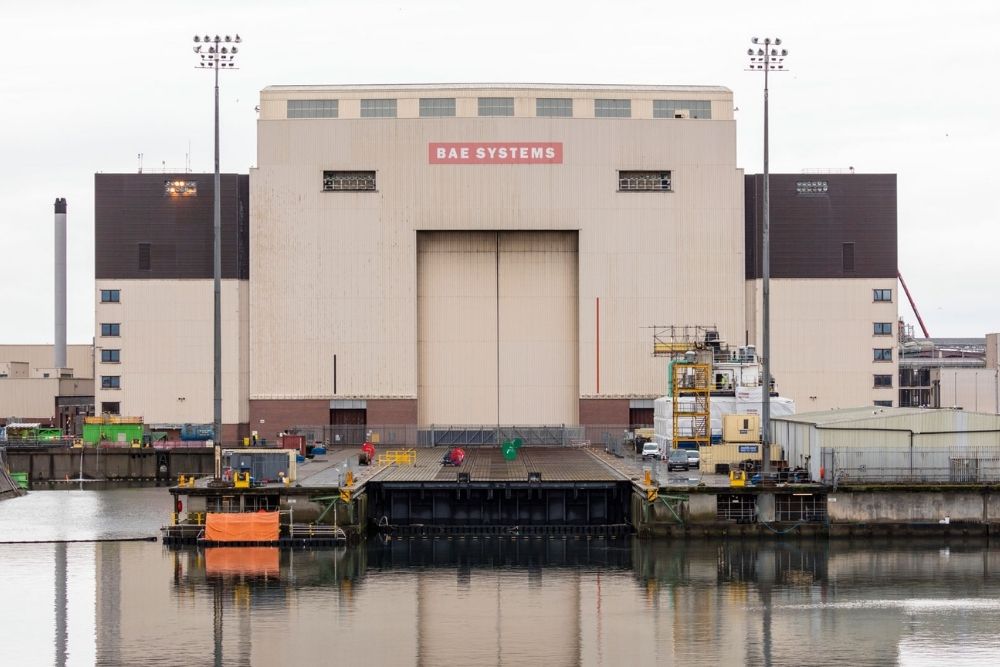
BAE Systems buys Ball’s aerospace assets for $5.55 billion
British defense company BAE Systems has embarked on its largest-ever deal, agreeing to purchase aerospace assets from Ball Corp for approximately $5.55 billion in cash. The acquisition signifies BAE’s strategic move to extend its influence in critical domains such as space, national security, and intelligence. Ball Corp’s aerospace operations specialize in manufacturing spacecraft, instruments, and sensors used in both defense and civil satellites, serving purposes ranging from tracking space objects to monitoring weather patterns and climate changes.
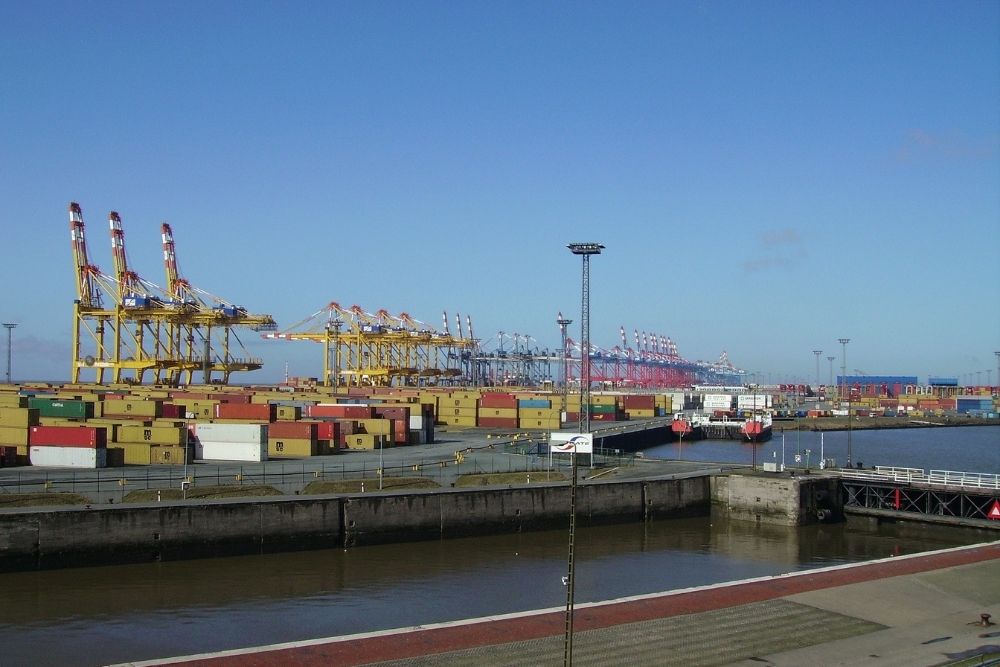
U.S.-China tariff pause offers breathing room, not resolution
Donald Trump’s aggressive tariff campaign is beginning to yield tangible results, including a 90-day pause in the sweeping reciprocal tariffs with China and a limited trade pact with the United Kingdom. Yet, trade experts warn that these early developments are only preliminary skirmishes in what is shaping up to be a long and complex effort to rebalance global commerce.
The temporary U.S.-China tariff truce, agreed to during weekend talks in Geneva, sparked a surge in global stock markets and temporarily calmed fears over supply chain disruptions and critical mineral shortages. However, trade analysts say it leaves unresolved the core structural issues that have long fueled American dissatisfaction with China’s state-led, export-heavy economy.
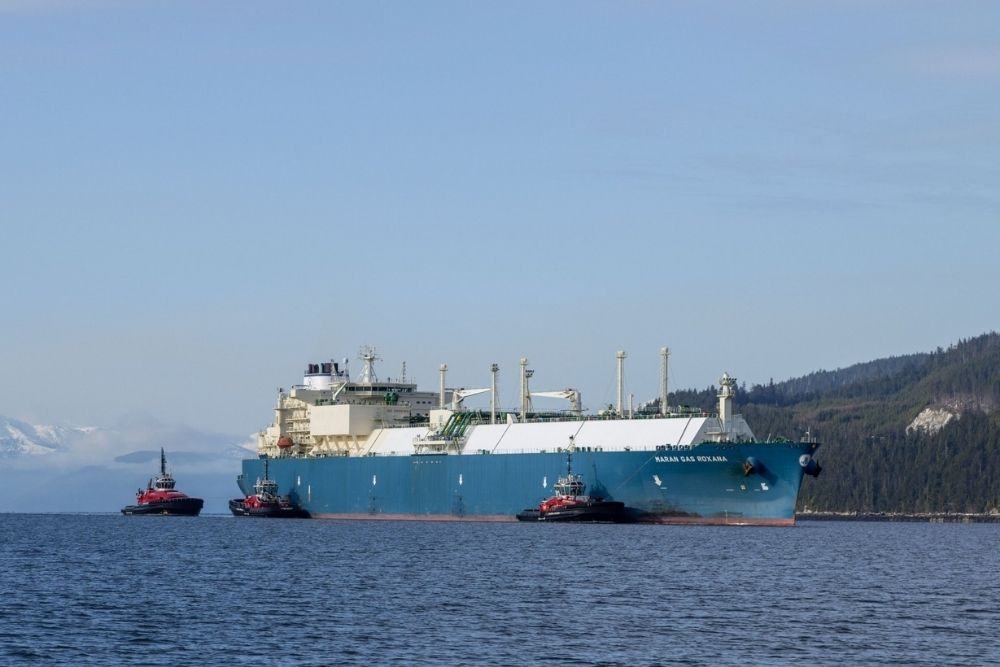
LNG Canada ships first gas, giving North America a direct Pacific link to Asia
The Shell-led LNG Canada project has reached a major milestone, producing its first liquefied natural gas (LNG) for export from its facility in Kitimat, British Columbia. This marks the start of operations for Canada’s first large-scale LNG export terminal and the first in North America with direct access to the Pacific Ocean—offering a substantial geographic advantage for reaching key Asian markets more quickly than U.S. Gulf Coast facilities.
LNG Canada, a joint venture between Shell, Petronas, PetroChina, Mitsubishi Corporation, and South Korea’s Kogas, is designed to export up to 14 million metric tonnes per annum (mtpa) when fully operational. The project’s Train 1, with a nameplate capacity of 5.6 mtpa, has begun producing LNG, although initial output is limited to half capacity due to a technical issue affecting one of its lines.